


Mobile Grain Dryer in the Philippines: How to Stop Losing Rice After the Harvest
The real money in Philippine rice farming is lost after the harvest, not in the field. Here is the buyer's guide that starts with your problems.
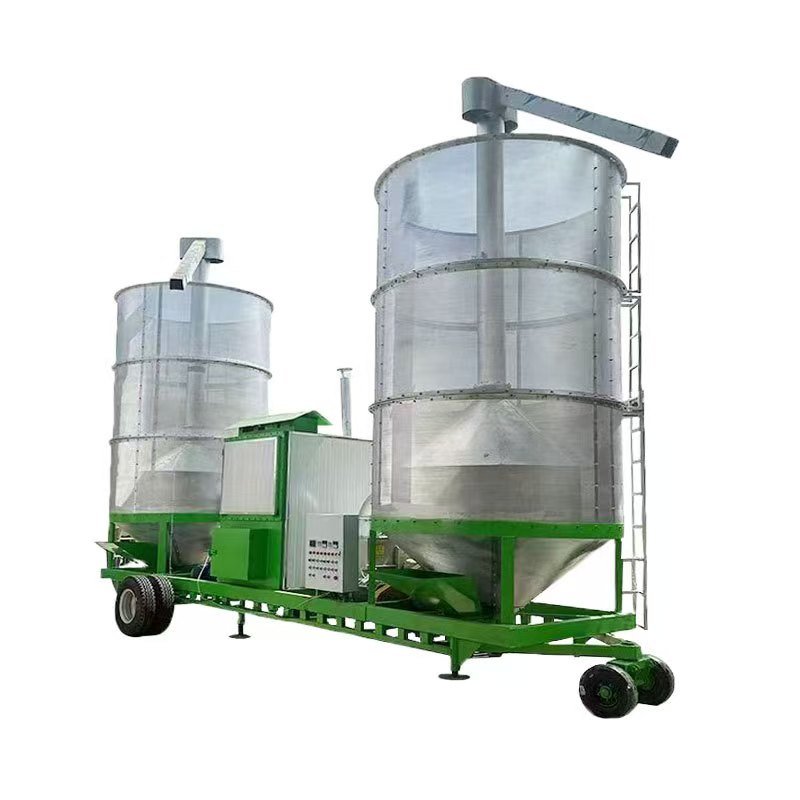
Fresh palay comes in at 22-26% moisture and must reach ~14% for safe storage and a full NFA buying price. Do that with sunshine alone and the weather decides your income. This guide walks through what you are actually losing, the questions you are stuck on, and a payback model in pesos.
1. Why Filipino Farmers Lose Money After Every Harvest
Post-harvest rice losses in the Philippines run roughly 12-16%, and most of it comes from slow, weather-dependent sun drying. If any of these sound familiar, you are paying for it every season:
Rain at harvest
Palay is cut wet, then the skies open. Sun drying stalls for days and mould sets in fast.
High humidity & typhoons
Tropical humidity keeps grain above safe moisture even after a full day of sun.
No drying space
Most farms have no concrete pavement; roadsides and yards are the only "dryer."
Rising labor cost
Spreading, turning and gathering sacks by hand eats time and wages every season.
Power not everywhere
Rural barangays often lack stable 3-phase supply - fuel choice becomes critical.
Buyers reject wet grain
Traders discount or refuse high-moisture palay - your volume shrinks and price drops.
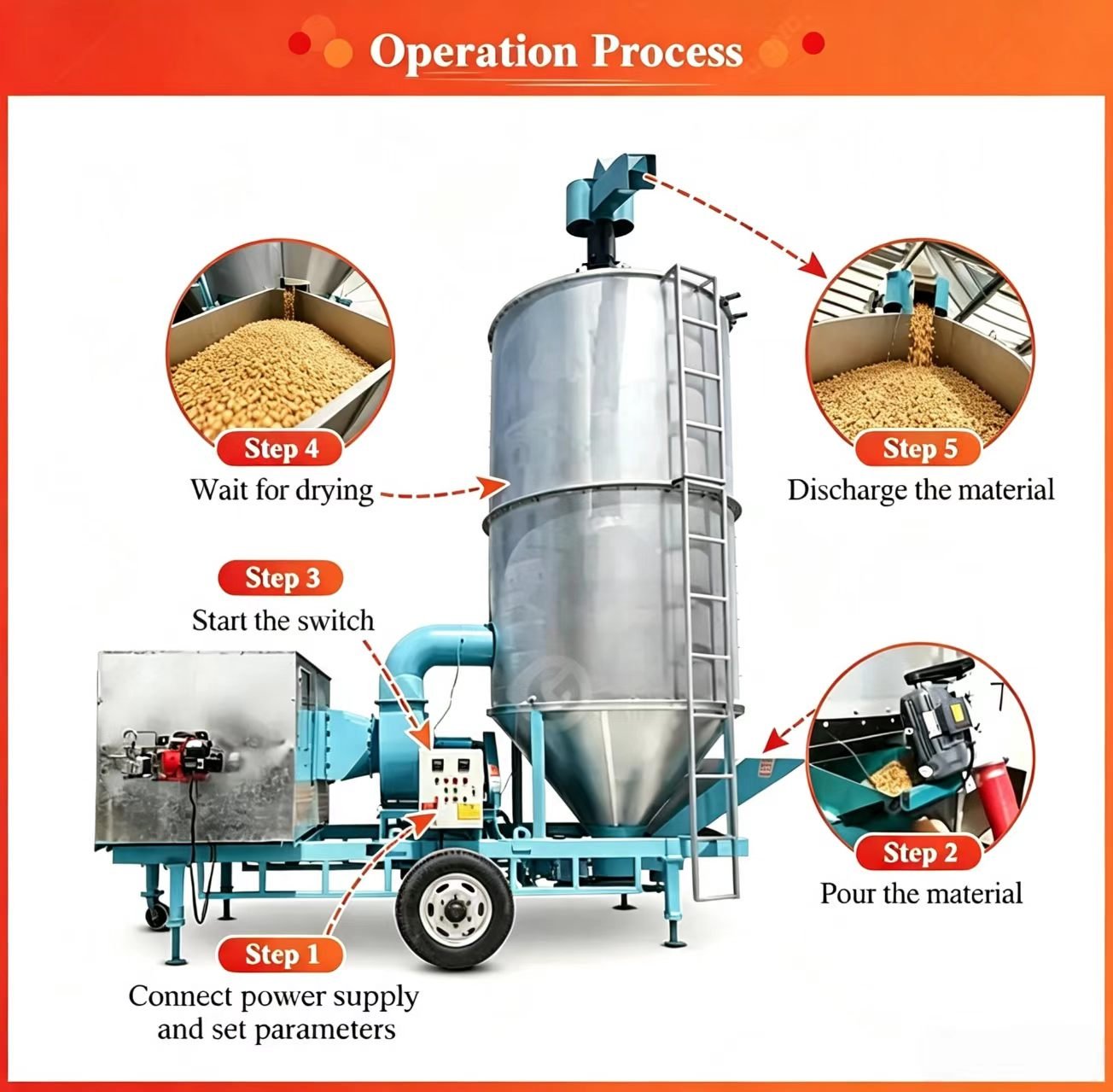
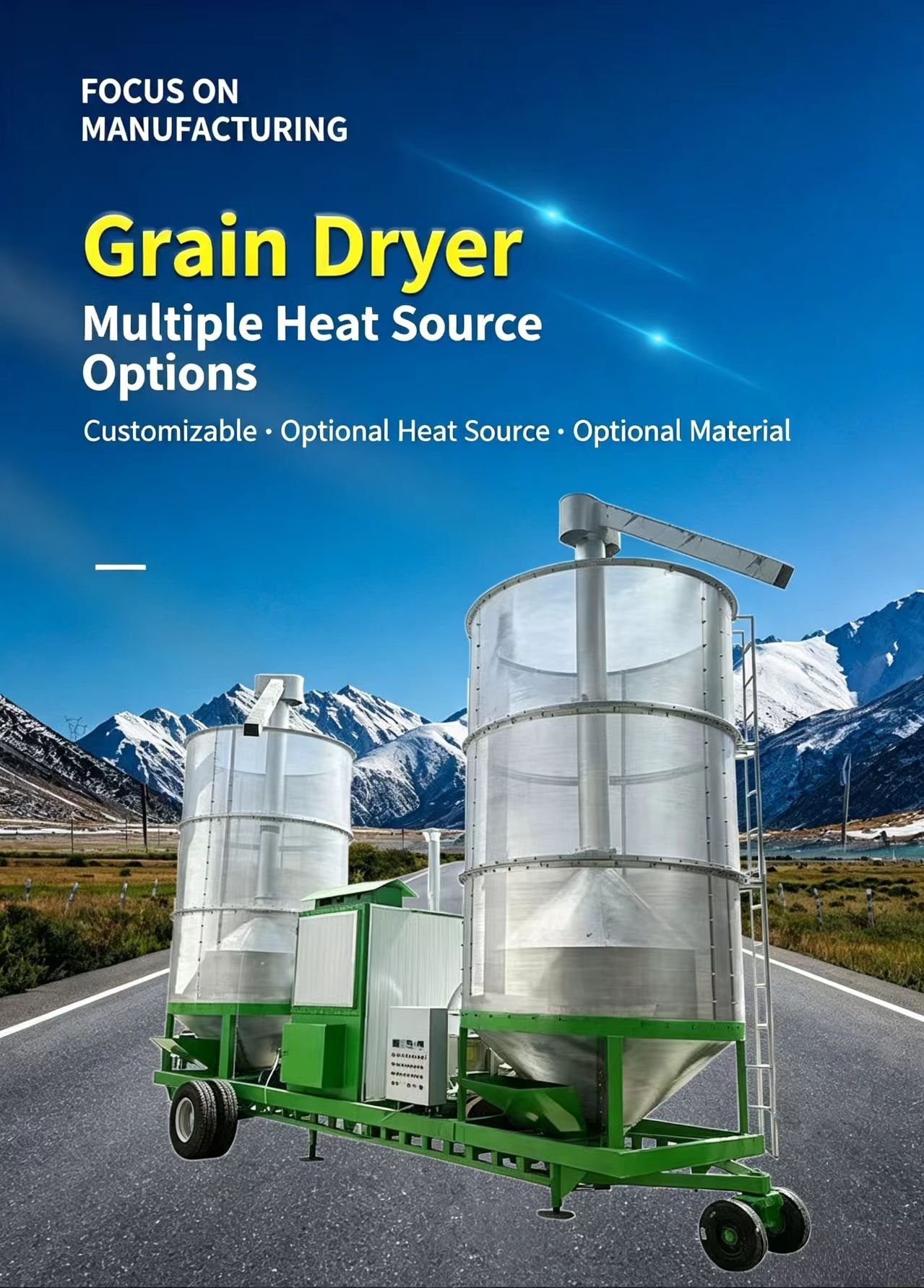
A mobile grain dryer flips that equation: it dries grain in controlled batches, right at the farm or buying station, rain or shine.
2. The 5 Questions Every Filipino Buyer Is Stuck On
If you are shopping for a dryer, you are probably stuck on a few of these. They are the right questions - here is how to think about each one.
3. Sun Drying vs Mobile Dryer: The 12% Gap
Sun drying looks free, but the loss is the cost. Here is the gap that decides your season:
4. How to Choose Without the Guesswork
4.1 Capacity - match it to your farm
| Operation | Land / volume | Recommended model | Daily output |
|---|---|---|---|
| Smallholder / family | 1-3 ha | 2T | 20 t/day |
| Medium farm | 3-10 ha | 4T - 6T | 40 - 60 t/day |
| Cooperative / trader | 10+ ha or buying | 6T - 10T / Dual | 60 - 200 t/day |
4.2 Heat source - rice husk is king here
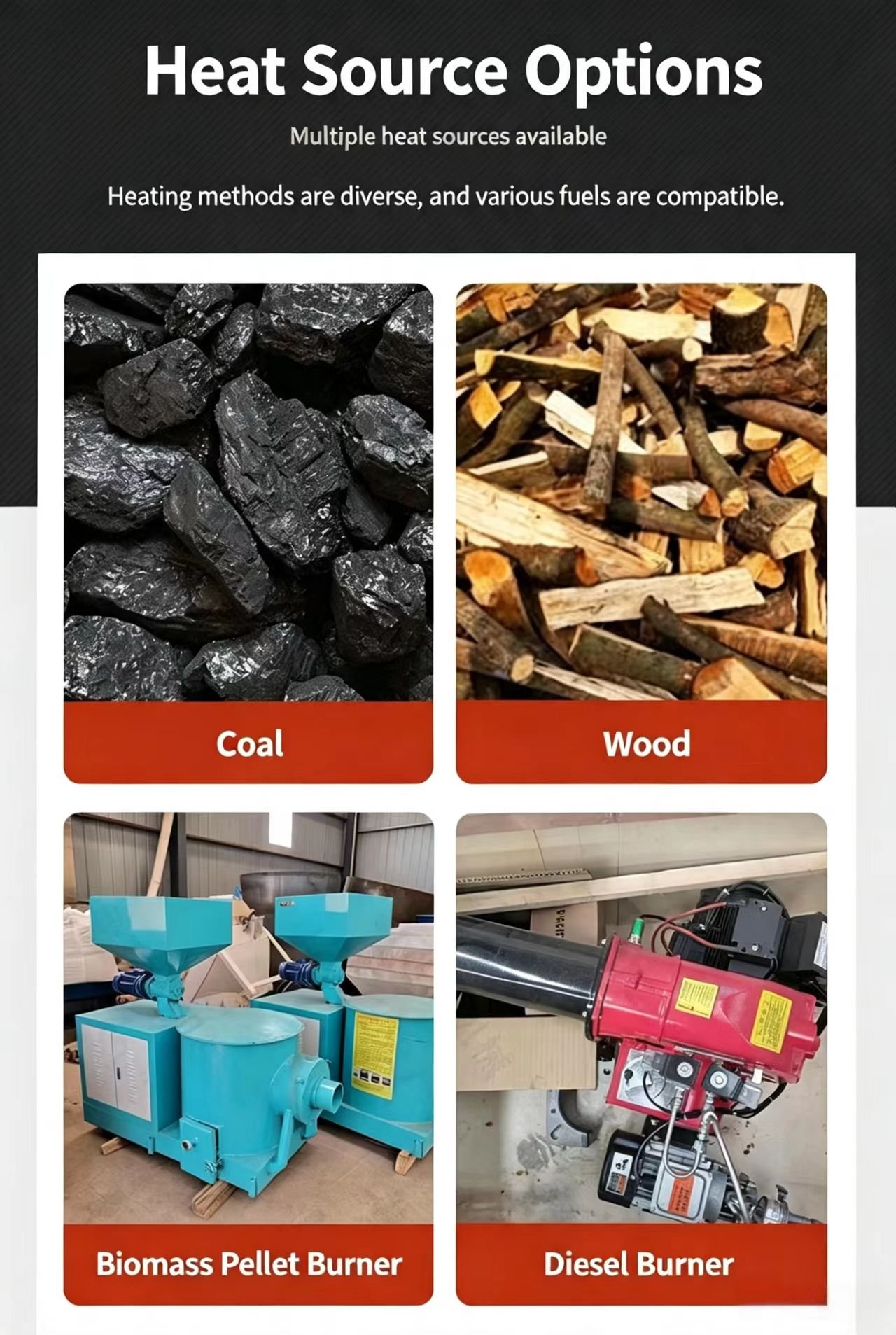
Why biomass (rice husk) wins in the Philippines
- Almost free fuel: rice mills generate husk as waste - burn what's already there.
- No diesel price risk: protect margins season to season.
- Switchable: fall back to diesel or wood when husk isn't available.
4.3 Power - size to your supply
Pick a model whose motors fit your available power. Single-phase-friendly smaller units suit remote barangays; larger 6T-10T units typically want 3-phase (or a generator). Tell your supplier your supply and they'll configure it.
4.4 Temperature - protect the grain
| Crop | Safe drying temp | Why |
|---|---|---|
| Paddy / rice | 45-60C | Low and slow protects milling & head-rice yield |
| Corn | 100-130C | Tolerates higher heat |
| Wheat | 90-110C | Tolerates higher heat |
| Seed (all crops) | 43.4C | Preserves germination |
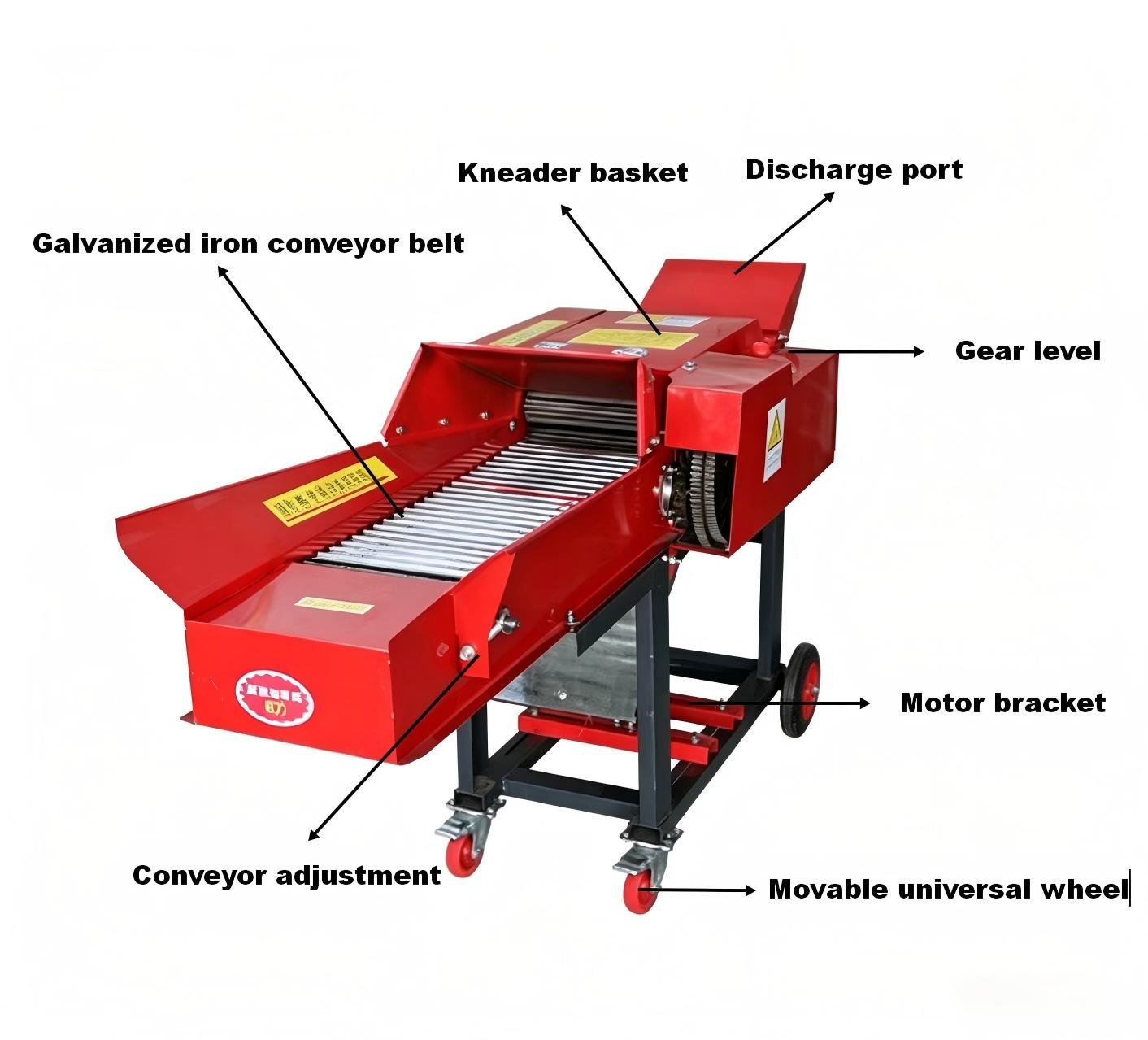
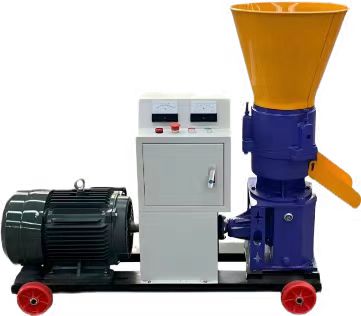
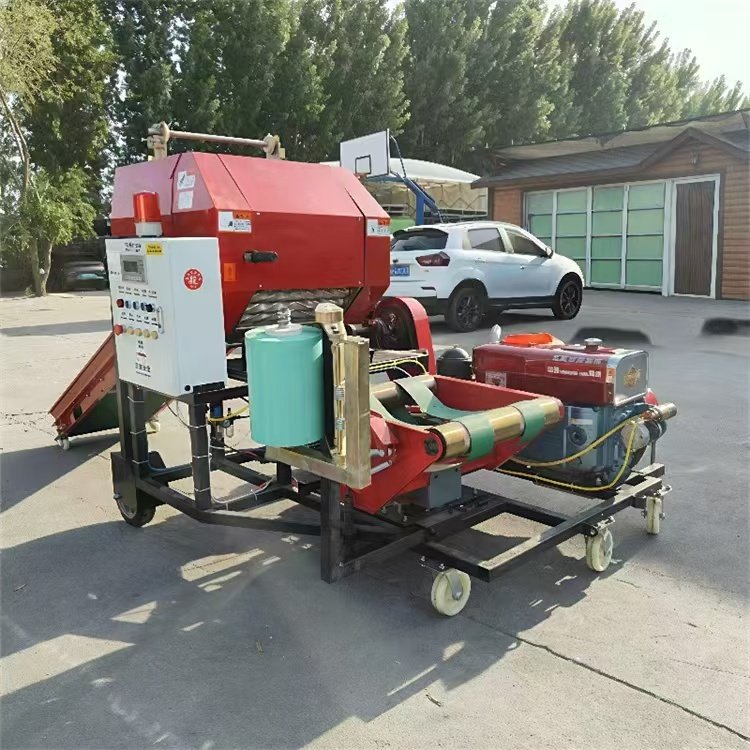
Building a full post-harvest line? Pair your dryer with a chaff cutter, a feed pellet mill, or a round silage baler to turn stalks and feed into value.
5. Will It Pay For Itself? A PH Peso Model
A dryer makes you money two ways: you lose less grain, and dry grain sells for more. Here is a conservative worked example for a small rice trader running a 2T unit.
| Lever | How it adds value | Example (600 t / season) |
|---|---|---|
| Less grain lost | Sun ~12% loss vs machine ~2% = 60 t saved | P1.2M |
| Better selling price | Dry-to-standard grain sells ~P2/kg higher | P1.2M |
| Total gross benefit | Before operating costs | ~P2.4M |
| Machine investment (2T) | Indicative FOB, ex-works China | ~P250k |
Bottom line on payback
even at half these volumes, payback stays within 1-2 seasons
Main running costs are fuel (rice husk is often near-free) and one operator. Scale the model to your own tonnage - the leverage is the same.
Frequently Asked Questions
What is the best grain dryer for a small rice farm in the Philippines?
A 2T mobile dryer (~20 t/day) fits most 1-3 ha farms and small traders. It dries palay at the paddy-safe 45-60C and runs on rice-husk biomass to keep fuel cost near zero.
How much is a rice husk fired dryer in the Philippines?
Indicative FOB pricing for a 2T multi-fuel unit starts around a few thousand US dollars; final cost depends on capacity, power configuration and shipping to your port (Manila, Cebu, Davao). Contact us for a firm quote.
Can it operate without stable 3-phase power?
Yes - the heat can come from a diesel or biomass burner with no grid, and smaller units can be configured for single-phase or generator supply. Tell us your power situation and we'll size it correctly.
How long does it take to dry palay?
A batch moves from ~24% to ~14% moisture in a controlled cycle; cycle time depends on batch size, starting moisture and ambient conditions. The touchscreen panel sets time and temperature automatically.
Explore more from Sunto
Not Sure Which Dryer Fits Your Farm?
Tell us your hectares, crop and power supply - we'll size the model and send a factory-direct quote with a payback estimate.
Contact Us