


How to Choose the Right Mobile Grain Dryer (and What It Brings to Your Farm)
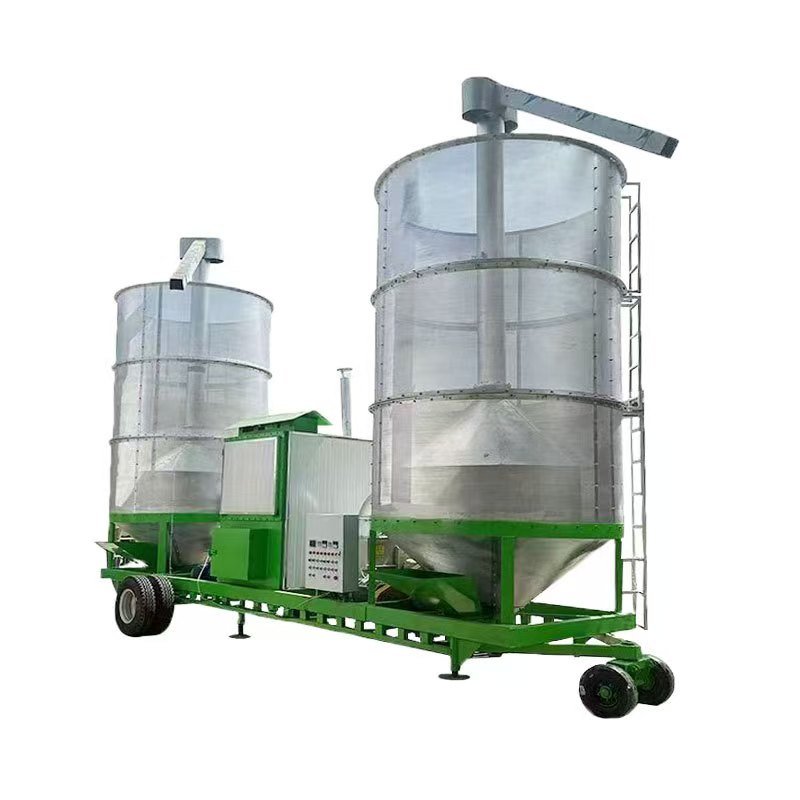
Drying grain quickly and evenly after harvest is the single most important step in protecting crop quality. According to the FAO, post-harvest losses in developing regions can reach 10–20% when grain is dried slowly on open ground and exposed to weather, pests and mould.
A mobile grain dryer solves this by bringing controlled, batch drying directly to the farm or grain station. Below is a practical framework for choosing the right model — and the concrete returns it delivers.
1. Start With Your Daily Harvest Volume
The first number to pin down is how many tons you need to dry in 24 hours. Sunto mobile dryers range from a 2T batch (≈20 tons/day) up to a dual 10T configuration (≈200 tons/day). Match the model to your operation:
| Operation type | Recommended model | Daily output |
|---|---|---|
| Smallholder / family farm | 2T – 4T | 20 – 40 tons/day |
| Cooperative / medium farm | 6T – 8T | 60 – 80 tons/day |
| Grain station / commercial | Dual 6T – Dual 10T | 120 – 200 tons/day |
2. Pick the Heat Source That Fits Your Region
Fuel cost is the biggest ongoing expense of drying. Choose a heat source that matches what is cheapest and most available locally:
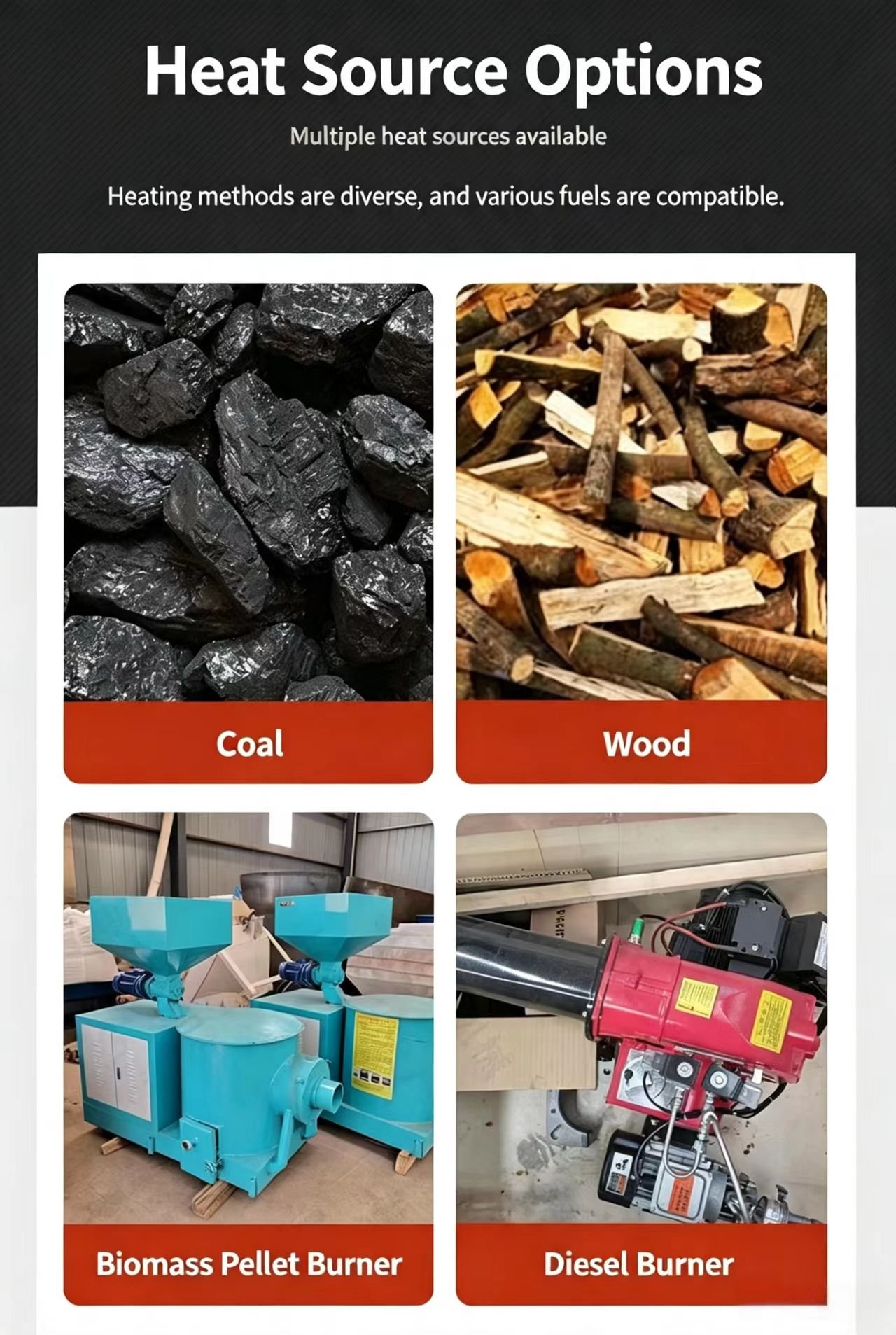
All Sunto dryers support coal, wood, biomass pellet burner or diesel — switchable so you are never locked into one fuel price.
3. Match the Drying Temperature to Your Crop
Different grains need different temperatures to avoid cracking or losing germination. The control panel lets you set the right range per crop:
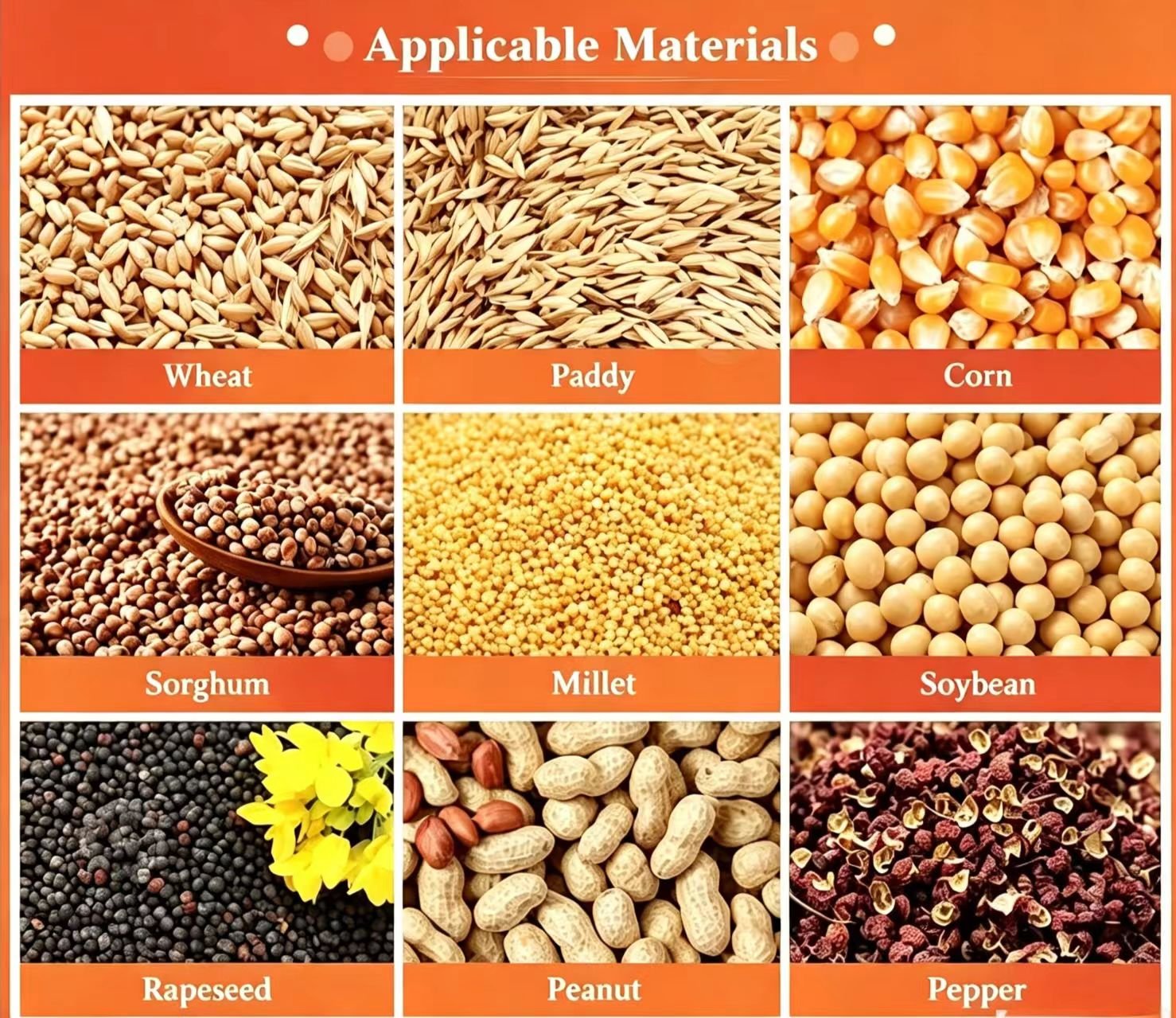
- Paddy / rice: 45–60°C (low and slow protects milling quality)
- Wheat: 90–110°C
- Corn: 100–130°C
- Seed drying (all crops): 43.4°C to preserve germination
4. Don't Overlook Mobility and Footprint
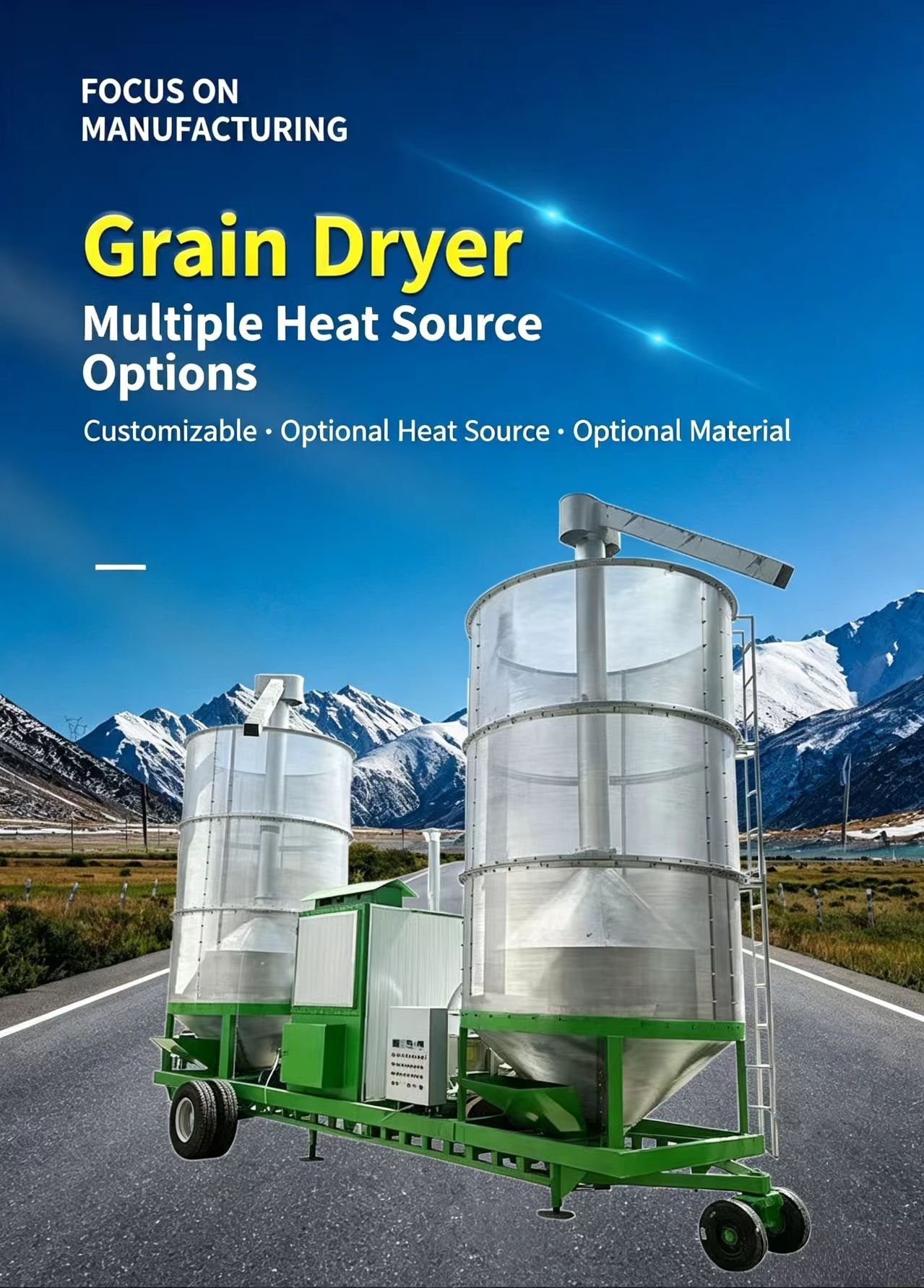
Unlike a fixed drying tower, a mobile unit moves to where the harvest is. The wheeled chassis with support legs means one person can position it in a field, yard or warehouse — no civil works required.
5. What a Mobile Grain Dryer Brings to Your Farm
Direct, measurable benefits
- Lower crop loss: dry within hours of harvest instead of days in the sun — cut spoilage and mould risk dramatically.
- Better selling price: uniform, safe-moisture grain commands a premium versus sun-dried, inconsistent lots.
- Labour savings: one operator runs the batch cycle via the touchscreen panel; no manual turning.
- Fuel flexibility: use the cheapest local fuel, protecting margins season to season.
- All-weather harvesting: keep drying through rain or high humidity when sun-drying is impossible.
- Year-round income: store dried grain and sell when market prices peak.
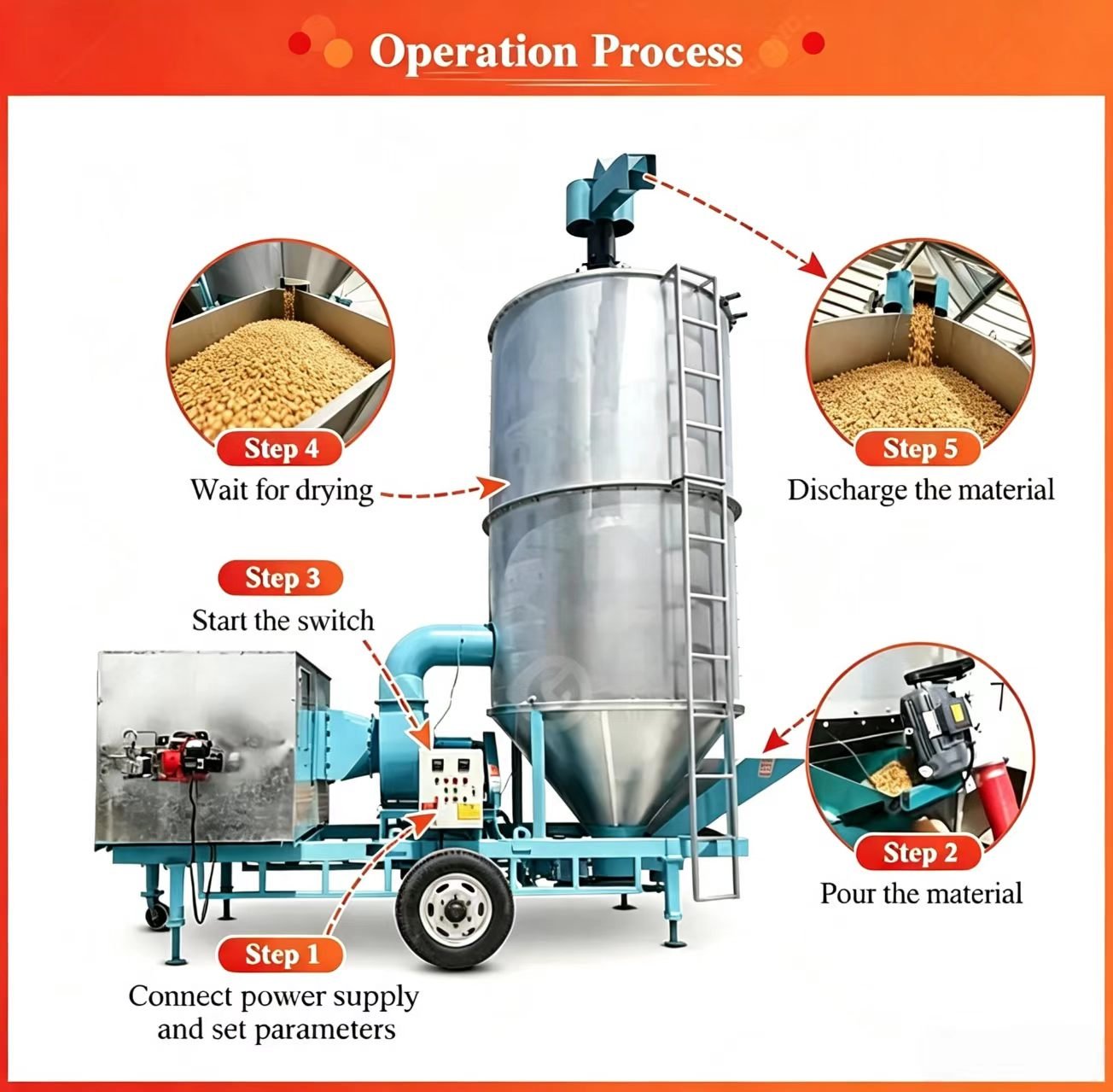
6. See the Full Drying Cycle

Need Help Specifying the Right Dryer?
Tell us your farm size, crop and budget — our team replies within 24 hours with specs and a factory-direct quote.
Contact Us
Pingback: How to Choose the Right Round Silage Baler - Suntom Machinery