


Dry-Land vs Paddy Crawler Tractor (35HP)
Both are 25-35HP rubber-track crawler tractors with a front loader. The difference is not the horsepower - it is how each machine is tuned for the ground it works. Here is what separates the dry-land version from the paddy (wet-dry) version, where each belongs, and how to choose.
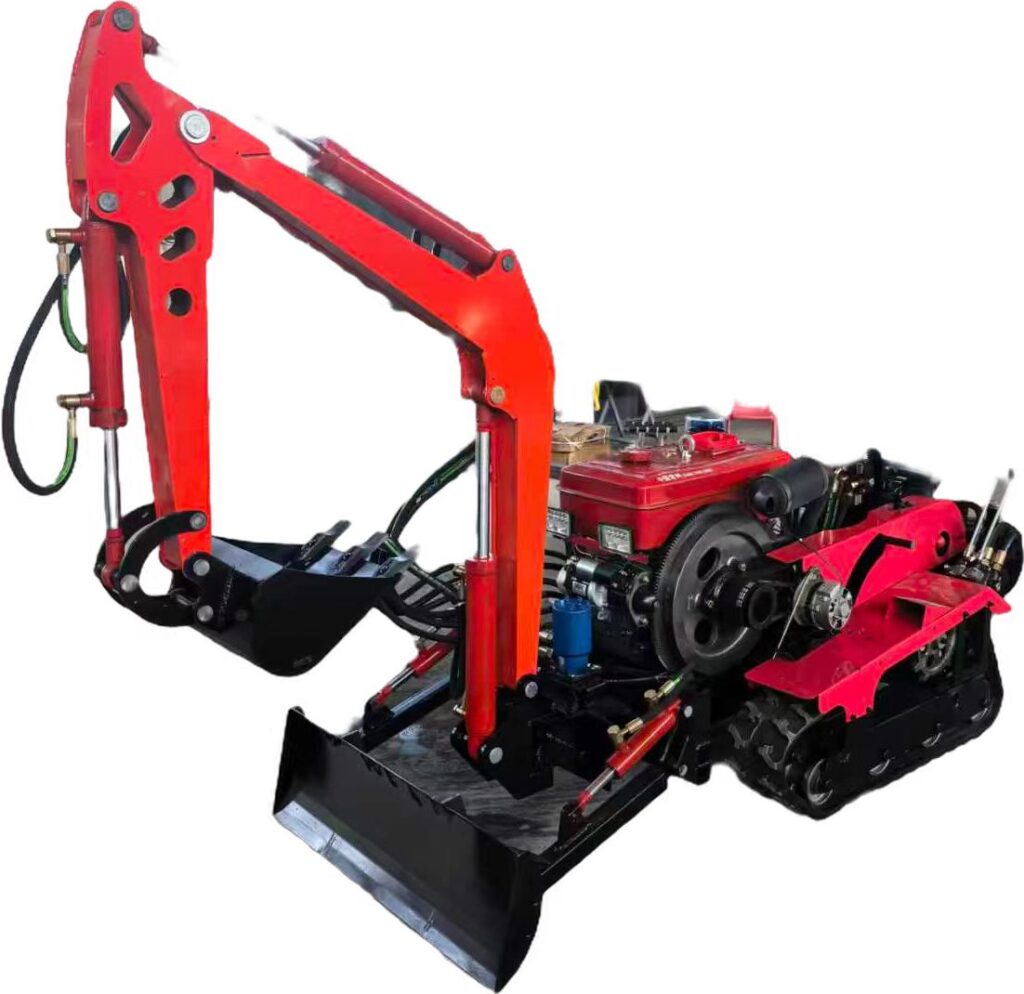
Sunto builds the same crawler-tractor chassis in two ground-focused versions. The dry-land crawler tractor is tuned for firm, dry and sloped ground - orchards, tea gardens and dryland farms. The paddy field crawler tractor is a wet-dry dual-purpose machine built for flooded rice paddies, muddy fields and soft soil. Same family, same attachments - different engineering priorities.
Looking at one model? Open the dry-land product page or the paddy field product page for the full spec sheets and photos.
At a Glance
The fastest way to see the split is side by side:
| Feature | 35HP Dry-Land | 35HP Paddy (wet-dry) |
|---|---|---|
| Primary terrain | Dry farmland, orchards, sloped land | Flooded paddy, muddy fields, wet-dry land |
| Transmission | 3 forward + 1 reverse (3F+1R) | 3 forward + 2 reverse (3F+2R) |
| Track design | Engineering rubber track for grip on dry, firm and sloped soil | Low ground-pressure rubber track to float on soft, wet soil |
| Built for | Dust, dry heat, slopes | Water, mud, wet conditions |
| Best crops / regions | Orchards, tea, vegetables, dryland cereals; arid and semi-arid zones | Rice and wet crops; high-rainfall and soft-soil regions |
| Shared base | 25-35HP diesel crawler chassis, rubber tracks, front-loader ready, same attachment family | |
Structural Differences
The two machines share the crawler chassis, the 35HP-class diesel and the front-loader mount. The differences are in how each is built for its ground:
1. Transmission - one extra reverse gear
The dry-land version uses 3 forward + 1 reverse (3F+1R). The paddy version uses 3 forward + 2 reverse (3F+2R). That second reverse gear is not a gimmick - on narrow paddy bunds and in soft, sticky mud, a driver reverses constantly. The extra reverse makes tight maneuvering and backing out of a soft spot far easier.
2. Track design and ground pressure
The dry-land machine runs an engineering rubber track tuned for grip on firm, dry and sloped soil. The paddy machine uses a low ground-pressure rubber track that spreads the weight so the tractor floats across soft, wet soil instead of sinking and rutting it. Lower ground pressure also means less compaction of paddy soil - better for the next crop.
3. Environment tuning
The paddy version is a wet-dry dual-purpose machine, built to shrug off water, mud and constant moisture. The dry-land version is tuned for dust, dry heat and stable work on slopes, with a thickened steel frame and hydraulic control called out in its build.
Where Each Works Best
Paddy (wet-dry) crawler tractor
- Flooded rice paddies and muddy farmland - the low ground-pressure tracks keep it moving where wheeled or dry-tuned machines bog down.
- Wet-crop regions - rice, taro and other water-loving crops, plus high-rainfall seasons.
- Greenhouses and hillside tea gardens - it also handles dry land, so one machine covers the whole farm.
- Soft-soil geographies - common across parts of Southeast Asia, Africa and South America with heavy wet seasons.
Dry-land crawler tractor
- Dry farmland and dryland cereals - stable, grippy work on firm soil.
- Orchards, tea gardens and vegetable greenhouses - precise, low-pressure passes between rows.
- Wasteland reclamation and sloped dry land - the track grip and frame are tuned for incline and rough, dry terrain.
- Arid and semi-arid zones - well suited to dryland farming in Africa and the Middle East.
What Both Can Do
Under the ground-focused differences, the two share one job: a multi-purpose crawler platform that takes the same attachments and runs year-round.
- Rotary tilling - primary soil preparation for both dry and paddy fields.
- Ditching - cut irrigation channels and drainage lines.
- Weeding - inter-row cleaning between crops.
- Backfilling and light bulldozing - trench covering and land leveling.
- Front loader and optional excavator arm - material handling and digging around the farm.
Because the attachment family is shared, the choice between dry-land and paddy is about the chassis, not about losing any of these jobs.
How to Choose
Match the machine to the ground first, then to the crop and the terrain:
- Soil and water come first. Wet, muddy or flooded ground that you cannot avoid - pick the paddy (wet-dry) version. Dry, firm or sloped ground - pick the dry-land version.
- Match the crop. Rice and other wet crops point to paddy; orchards, tea, vegetables and dryland cereals point to dry-land.
- Count the reversing. Tight paddy bunds and constant backing-up favor the paddy's 3F+2R transmission.
- Read the terrain. Noticeable slopes lean toward the dry-land machine's grip and frame; flat, soft fields lean toward the paddy machine.
- Think about climate and region. High-rainfall, soft-soil areas suit paddy; arid and semi-arid zones suit dry-land.
- Size the horsepower. Sunto offers 25HP through 35HP (and heavier classes beyond); pick by farm size and daily task volume.
- Plan the attachments. Both take the same family, so choose by the jobs you run most - tiller, ditcher, loader or excavator arm.
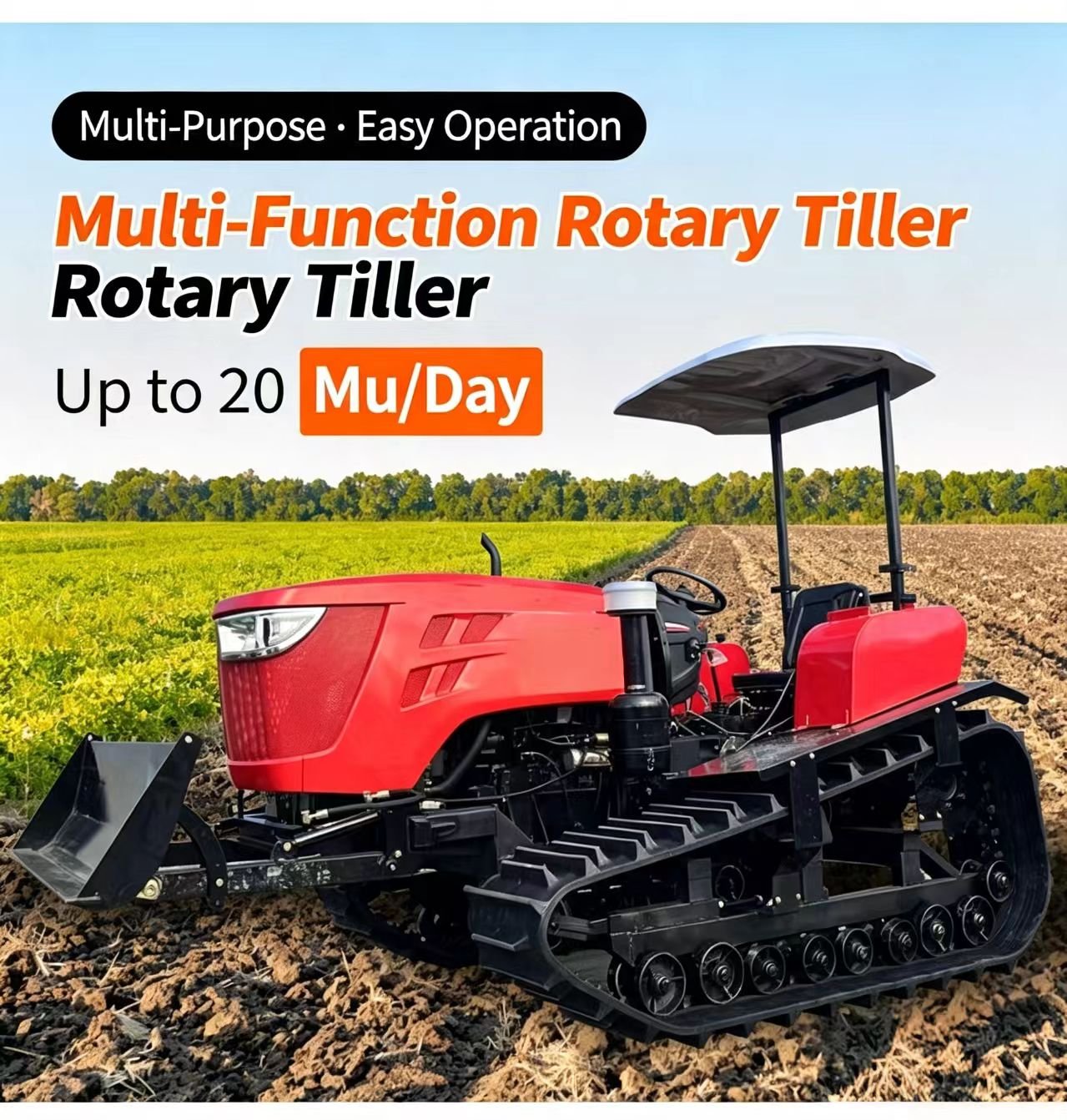
If most of your land is dry but you have one wet patch a year, the paddy version is the safer single buy because it also runs dry land. If dry, sloped orchard work is your daily reality, the dry-land specialist will feel better built for it.
Both are priced as factory-direct crawler tractors - tell us your terrain and we will recommend the version and horsepower.
Frequently Asked Questions
What is the difference between dry-land and paddy crawler tractors?
They share the same 25-35HP rubber-track chassis and attachments, but are tuned for different ground. The paddy (wet-dry) version uses low ground-pressure tracks and a 3F+2R transmission for wet, muddy and flooded soil; the dry-land version uses grip-focused tracks and a 3F+1R transmission for dry, firm and sloped land.
Can a paddy crawler tractor work on dry land?
Yes. The paddy version is a wet-dry dual-purpose machine, so it runs on dry land as well as paddies. The dry-land version, however, is the better specialist for dry, sloped and orchard conditions where wet-dry capability is not the main need.
What transmission do the two tractors use?
The dry-land tractor uses 3 forward + 1 reverse (3F+1R). The paddy tractor uses 3 forward + 2 reverse (3F+2R), giving the driver an extra reverse gear for tight maneuvering on narrow bunds and in soft mud.
Which is better for rice paddies?
The paddy (wet-dry) crawler tractor is the right choice for rice paddies and other flooded or muddy fields, because its low ground-pressure tracks keep it from sinking and compacting the soil.
What attachments fit both tractors?
Both share the same attachment family: rotary tiller, ditcher, weeder, backfiller, front loader bucket, bulldozer blade and an optional excavator arm. The difference is the chassis tuning, not the jobs you can do.
How do I choose between 25HP and 35HP?
Size the horsepower to your farm area and daily task volume. The 25HP class suits smaller plots and lighter duty; the 35HP class adds power and capacity for larger areas and heavier attachments. Tell us your land size and we will recommend the right class.
Related Machines
Not Sure Dry-Land or Paddy Fits Your Farm?
Send your soil type, crops, slope and field size. We will recommend the right 25-35HP crawler tractor - dry-land or paddy - and quote factory-direct.
Request a Quote View All Models