


Round Silage Baler Buying Mistakes: The Two That Cost the Most
Most buyers compare bale size, engine and price. Then a season later they meet the real cost. Two things decide it: bearings you can actually service, and a supplier that still answers when something breaks.
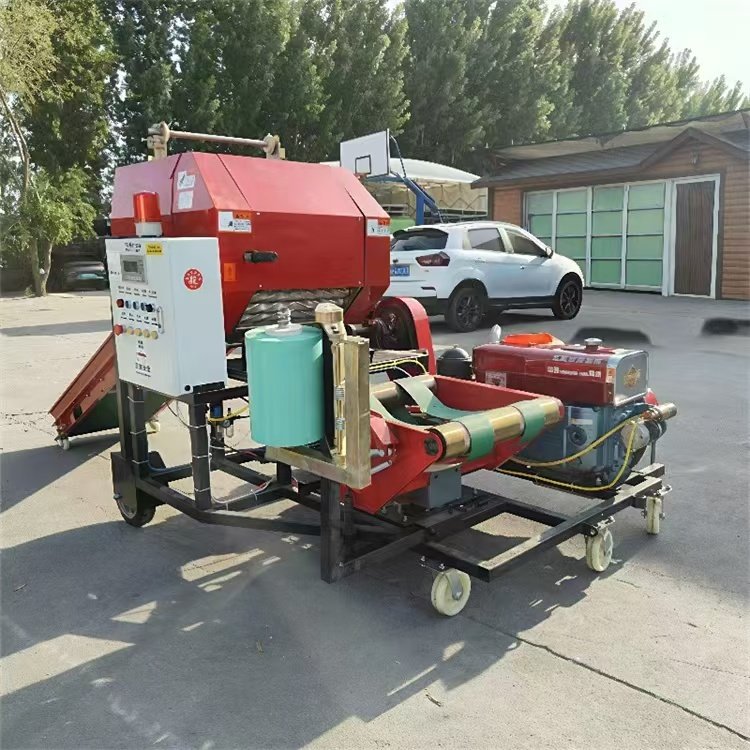
On paper, most mini round balers look almost identical - a 17HP diesel engine, 45-60 bales an hour, 550 x 520 mm bales, one-pass wrapping. So buyers line up the prices and pick the lowest. The differences that actually cost money are the ones that never make the spec sheet.
We see those differences from the service side. A bearing that takes ten minutes to grease on one machine takes half a day on another. A baler bought to save money on the invoice often turns into a parts order before the season is over. This article covers the two traps that generate most of those calls, and what to check before you pay for a round silage baler.
Looking for a full spec comparison? The How to Choose a Round Silage Baler guide covers power options, bale size and farm fit. This article is only about the two mistakes that cost you later. For how the machine runs, see How a Round Silage Baler Works.
Trap 1: Bearings You Cannot Reach
Bearings are not a question of if they wear out, but when. Every baler has several of them driving the rollers, the conveyor and the wrapping unit. They carry dust, vibration and constant load in the middle of harvest. That makes bearing design a long-term cost decision, not a small technical detail.
There are two ways to mount them.
Externally mounted bearings
The bearing housings are bolted on the outside of the frame, in the open. You can see them, reach them and service them without opening the machine. Each housing has its own grease nipple, so adding grease is a quick routine job with a grease gun. If one bearing finally fails, you unbolt that housing and fit a new one - the rest of the machine stays assembled.
Internally mounted bearings
The bearings sit inside the forming chamber or behind the conveyor structure. To reach them you remove covers, and often the belt, chain or roller assembly as well. Daily or weekly greasing becomes a job nobody wants to do, so it gets skipped - and skipped lubrication is what kills a bearing early. When one does fail, replacement means a partial teardown: strip the guards and drive parts, pull the bearing, refit, realign and re-tension everything. That can take most of a working day, and it always seems to happen at the peak of the harvest window.
| What you do | Externally mounted | Internally mounted |
|---|---|---|
| Routine greasing | Reach the grease nipple from outside, a few minutes with a grease gun | Remove covers or parts first, so greasing is often postponed or skipped |
| Replacing a worn bearing | Unbolt the housing, fit a new bearing unit, done | Strip guards, belt, chain or rollers, then realign and re-tension |
| Downtime per repair | Minutes to a short stop | Half a day or more, often at harvest peak |
| Effect on bearing life | Regular greasing is easy, so bearings run their full service life | Missed lubrication leads to early failure, again and again |
| Skill and tools needed | Basic hand tools, one operator | Teardown experience, alignment, sometimes a second person |
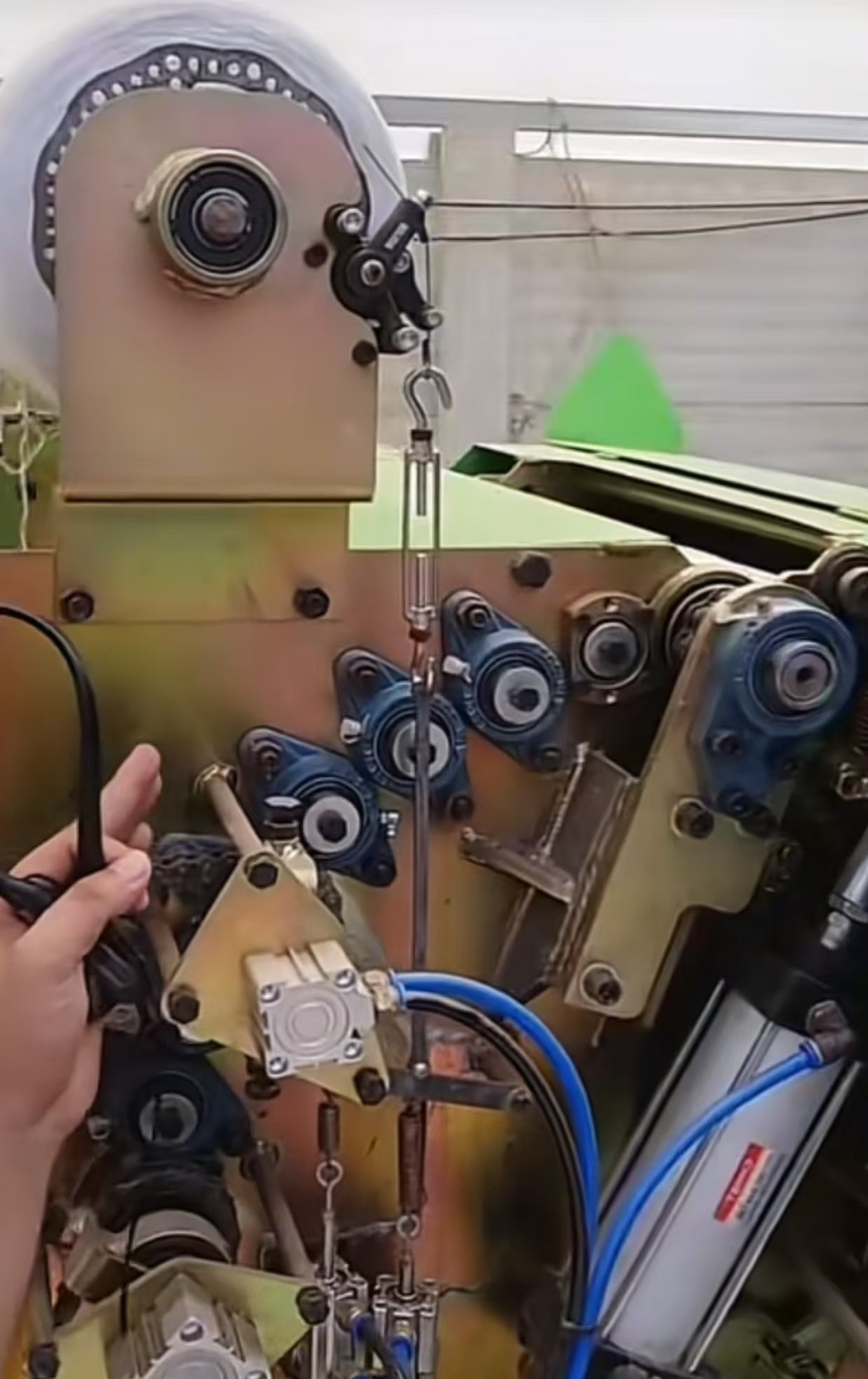
The photo above is the detail worth asking a supplier to show you on a live machine, not in a catalog render. If the bearings are bolted outside the plate with visible grease fittings, day-to-day maintenance stays simple for the whole life of the baler. If they are buried inside, you are buying a future teardown.
Bearings are only one of the wear items. A full list, including the conveyor belt, film cutter blade, sensors and consumables, is in the wear-parts section of How a Round Silage Baler Works. The Sunto Service team also supplies the parts list and maintenance schedule.
Trap 2: A Cheap Baler With No One Behind It
The second trap is buying on price alone from a supplier whose build quality and service you cannot verify. A round baler is a working machine with many moving parts under load. If the steel, the castings, the bearings or the assembly are poor, it may run for a short while and then start failing part after part. Buying it looked like saving money. What you actually bought was a second bill.
What the low price does not include
The invoice shows one number. The real cost of ownership shows up over the next seasons, item by item:
- Replacement parts. Bearings, belts, blades and sensors ordered again and again, often at a markup because only that supplier has the pattern.
- Freight and clearance on every parts order. On imported equipment, a small spare part still carries international shipping, customs paperwork and waiting time.
- Downtime at the worst moment. Baling has a narrow window. A machine down for days means forage that loses quality, and a crew standing idle.
- Labor to diagnose and fit. Without clear manuals or remote guidance, your own people spend hours working out what failed and how to replace it.
- Early replacement of the whole machine. If the supplier disappears or stops supporting the model, the cheapest option becomes buying a second baler within a season or two.
| Compared at | Low-price, unknown supplier | Brand with complete after-sales |
|---|---|---|
| Purchase price | Lower on the invoice | Higher, reflects materials and build |
| Spare parts | Unclear availability, unclear price | Parts list and stock supplied up front |
| Help when it stops | May be none | Manuals, video and remote troubleshooting |
| Harvest downtime | Long, waiting for parts or answers | Short, known fix and known part |
| Cost over a few seasons | Often higher than the saving | Predictable and contained |
None of this means the most expensive machine is automatically the right one. It means the purchase price is only the first line of the bill. A supplier who can show the parts list, ship spares, and talk you through a repair is worth more than a discount you will spend twice over.
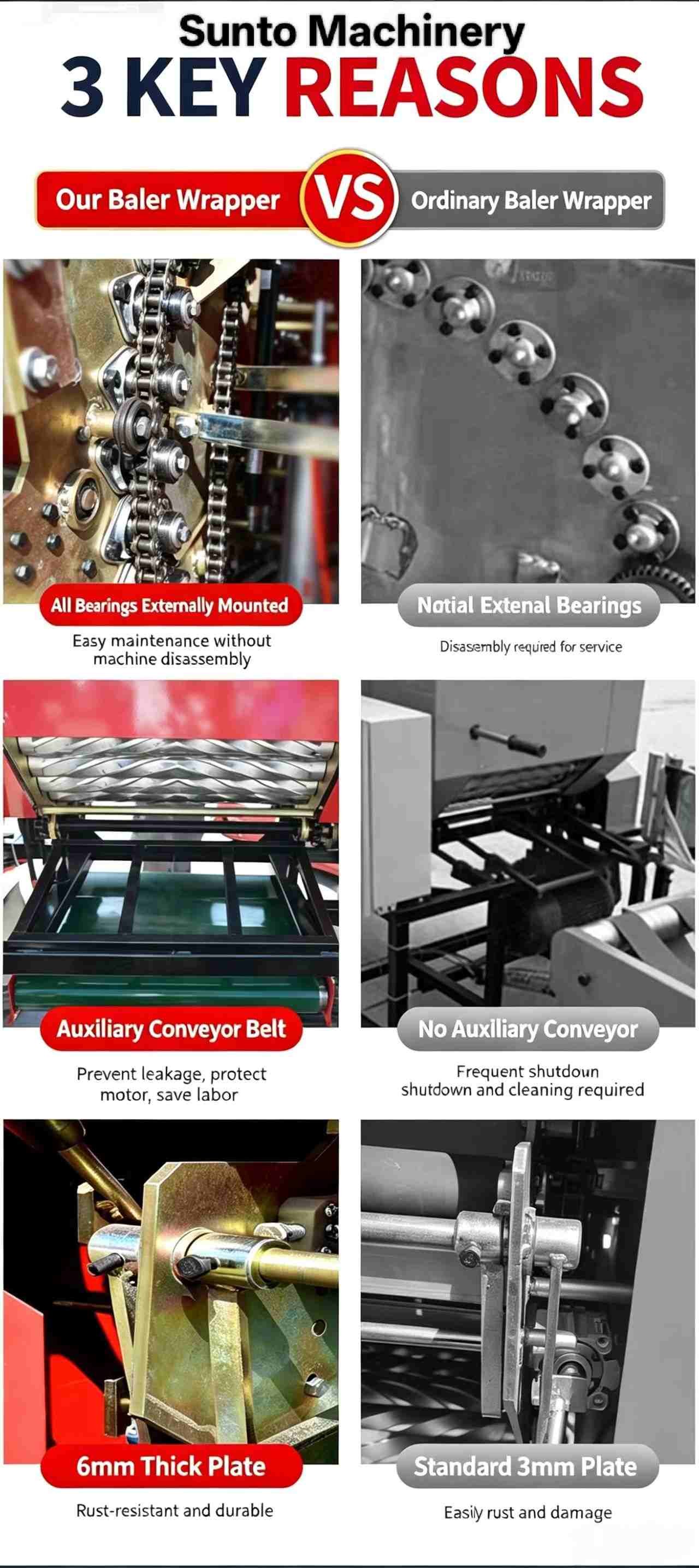
Five questions to ask before you pay
- Show me the bearings. Ask for a photo or short video of the actual machine, with the bearing housings and grease nipples visible.
- Send the wear-parts list. Names, part numbers and prices for the items that will need replacing.
- How fast can spares ship? Ask for the typical lead time and what is kept in stock.
- What support comes with it? Printed manuals, installation and maintenance video, and someone who can guide a repair remotely in a language you use.
- What exactly does the warranty cover? Get the scope in writing, not just a phrase on a listing.
A Short Checklist Before You Pay
Six things to confirm, in order. If one of them cannot be answered clearly, that is the risk you are being asked to carry:
- Bearing position. Externally mounted, bolted outside the frame, with reachable grease nipples.
- Routine maintenance. Greasing possible in minutes without removing covers or assemblies.
- Wear parts. A written list with part numbers, prices and expected availability.
- Service response. A named contact, a realistic reply time and remote troubleshooting support.
- Documentation. Manuals and maintenance video in a language your operators can use.
- Total cost. Compare a few seasons of parts, freight and downtime - not just the FOB price.
Do this and the two expensive traps disappear. You end up with a baler that can be greased on a schedule, repaired with common tools and supported by a supplier who will still be there when a part wears out. That is what actually protects the money you spent.
Frequently Asked Questions
Why are externally mounted bearings better on a round silage baler?
Because the housings sit outside the frame with visible grease nipples. You can add grease in minutes with a grease gun, and replace a worn bearing by unbolting that housing alone. Internal bearings require removing covers, belts and chains first, so maintenance gets skipped and failures take much longer to fix.
How often should round baler bearings be greased?
Follow the supplier's schedule and do it more often in dusty, high-load conditions during harvest. The practical point is that with external grease nipples the job takes a few minutes, so it actually gets done. On an internal design it is a teardown job, which is why lubrication is often postponed and bearings fail early.
What happens when an internal bearing fails?
You have to strip the guards and usually the belt, chain or roller assembly, pull and refit the bearing, then realign and re-tension everything. It can take half a day or more and needs more skill and tools. During the short baling window that lost time costs more than the bearing itself.
Is a cheaper round silage baler worth it?
Only if build quality and after-sales support are verifiable. A low-price machine of unknown quality may fail early, and the saving is then spent on replacement parts, international freight, labor to diagnose and fit them, harvest downtime, and possibly a whole replacement machine. Compare a few seasons of total cost, not just the invoice.
What after-sales support should a round baler supplier provide?
At minimum: a written wear-parts list with part numbers and prices, available spare stock with clear lead times, manuals and maintenance video in a usable language, remote troubleshooting from someone who knows the machine, and a warranty scope in writing.
What should I check before buying a round silage baler?
Confirm externally mounted bearings with reachable grease nipples, a written wear-parts list, realistic spare-part lead times, documentation and remote support, a clear warranty, and the total cost over a few seasons. Ask to see the bearing layout on a real machine, not just a catalog image.
Related Reading
Want to See the Bearings Before You Decide?
Ask us for a live photo or video of the bearing layout, the wear-parts list and our support terms. We would rather answer the hard questions up front than have you find out during harvest.
Ask for Details View All Models