


Kenya Farm ROI
Square Baler in Kenya: Output, Profit and Payback Time
A straight calculation for baling elephant grass (napier) with the Sunto 9YF-70 square baler - how much you can produce, what you earn per bale, and how fast the machine pays for itself.
Why bale elephant grass in Kenya
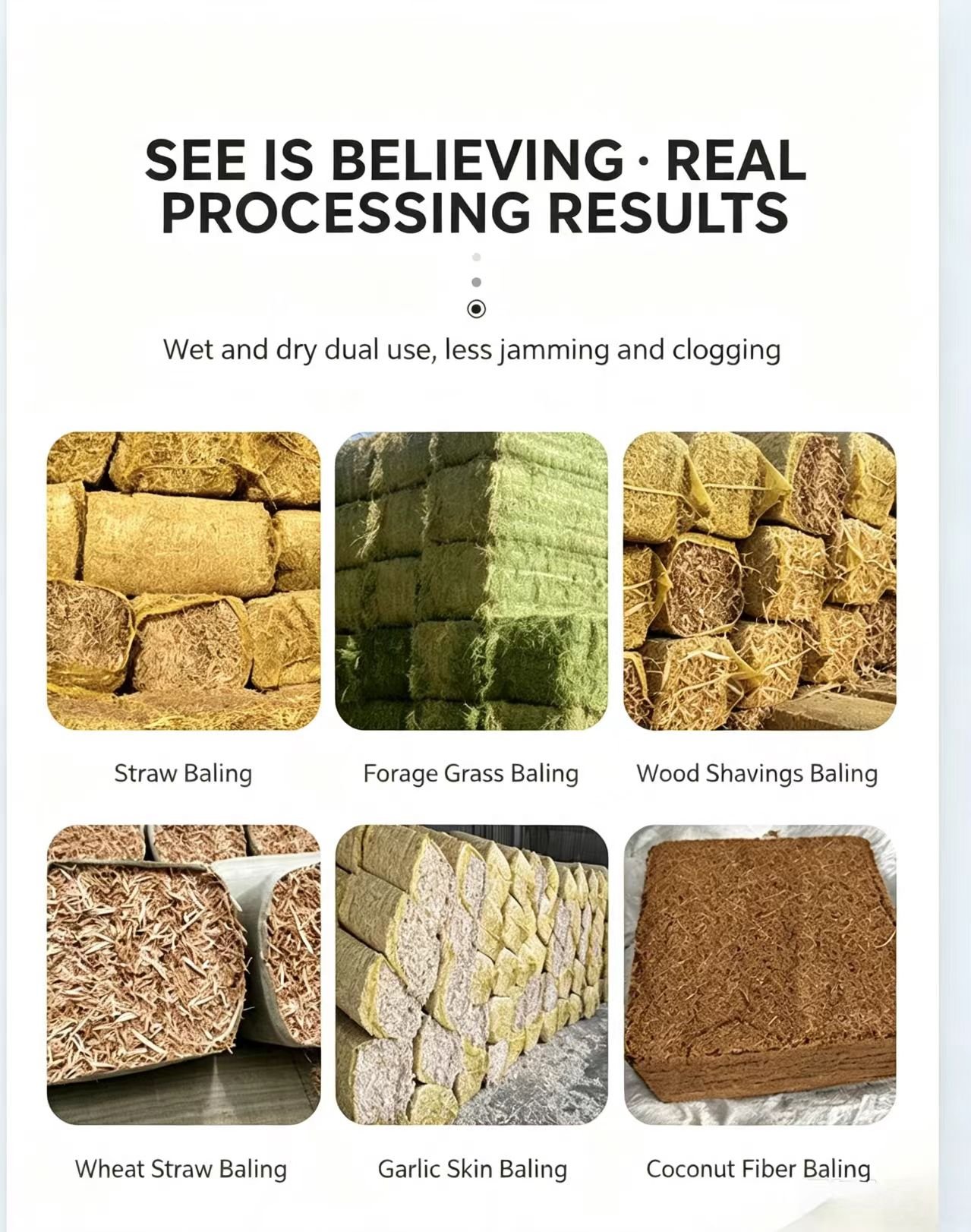
Napier (elephant grass) grows almost everywhere in Kenya, but loose grass is bulky, spoils fast and is expensive to move. During the long dry season dairy feed runs short and prices climb. Baling fixes all three problems at once: it compresses the grass into dense 50 kg squares that store for months, transport cheaply, and sell as a finished product.
The question for most farmers is simple: will the baler pay back fast enough? Below we calculate it using the real 9YF-70 specifications and a typical Kenya elephant-grass setup.
The machine we are calculating
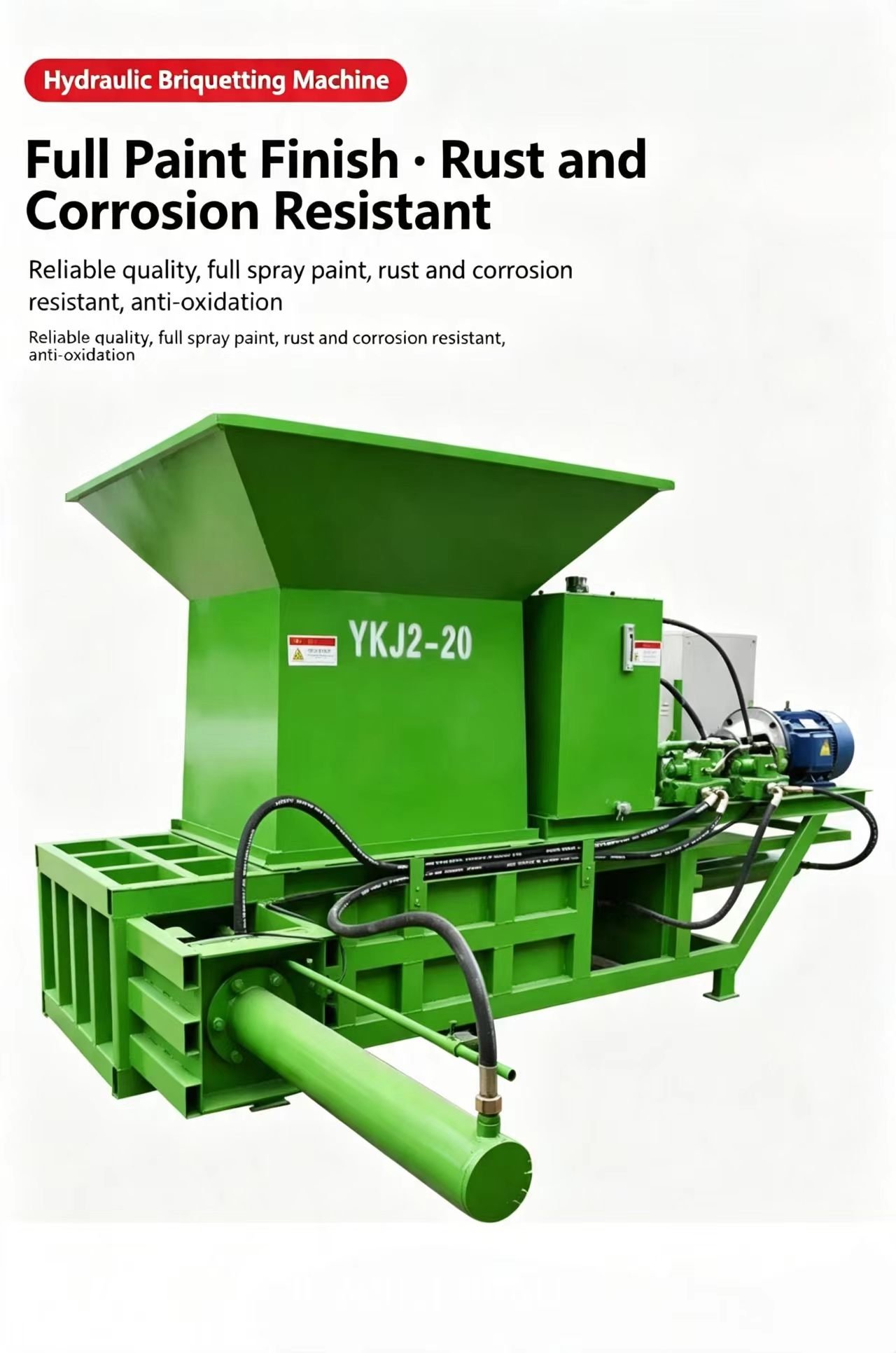
All numbers below are based on the Sunto 9YF-70 square silage baler as listed on our site:
- Motor: 20 HP, 3-phase electric (diesel version available for off-grid farms)
- Capacity: 80-100 bales per hour
- Bale weight: 50-70 kg per bale
- Bale density: 300-500 kg/m3 (loose grass compressed into stackable squares)
- Bale size: 350 x 350 x 700 mm
Output you can produce
Working assumption for a Kenya elephant-grass operation: 50 kg per bale and 85 bales per hour (mid-point of the 80-90 you quoted and the site's 80-100 range). At 8 hours a day:
| Period | Bales | Weight |
|---|---|---|
| Per hour | 85 | 4.25 t |
| Per 8-h day | 680 | 34 t |
| Per 25-day month | 17,000 | 850 t |
The compression is the quiet win: at 300-500 kg/m3 a 50 kg bale takes roughly 0.1-0.17 m3 of space versus a loose pile several times larger. You store and truck far more feed per trip.
What you earn per bale
The economics below use illustrative Kenya figures - replace them with your own local prices. They assume you grow your own napier or collect residues, so raw material cost is near zero.
| Item | Per 50 kg bale | Note |
|---|---|---|
| Sell price | KES 400 | illustrative, quality napier silage |
| Cost (labor, power, twine, wear) | KES 150 | illustrative, own napier |
| Net margin | KES 250 | illustrative |
If you must buy raw napier instead of growing it, subtract the green-grass cost (often KES 200-300 per 50 kg). Margin shrinks, so the best returns come from your own field or custom-baling for neighbours who supply their own grass.
Payback time
Machine plus CIF Mombasa shipping is about USD 4,500 (illustrative; KEBS PVoC / CoC and freight move with the exchange rate). At roughly 130 KES to the dollar that is about KES 585,000.
Payback depends almost entirely on how many bales you actually sell each month - the machine itself is rarely the bottleneck:
| Bales sold / month | Net KES / month | Payback |
|---|---|---|
| 1,000 | 250,000 | ~2.3 months |
| 2,000 | 500,000 | ~1.2 months |
| 3,000 | 750,000 | ~0.8 months |
| Max 17,000 (full capacity) | 4.25M | ~0.14 months |
For a typical operator feeding an own dairy herd plus selling locally or running custom baling for neighbours, a realistic payback is 1 to 3 months. The full-capacity ceiling is far higher but limited by market demand, not by the baler.
Frequently asked
Does the baler need 3-phase power?
The electric version needs 3-phase supply. If your farm is off-grid or you move between fields, choose the diesel-engine version - same 80-100 bales per hour.
Can it bale fresh elephant grass, not just dry straw?
Yes. The 9YF-70 handles both dry and slightly moist material, so you can bale napier right after cutting for silage.
How much space do 17,000 bales need?
At ~0.1-0.17 m3 each, a month's output stacks into a small shed or open yard under tarpaulin - far less than the same grass loose.
What about import to Kenya?
We handle KEBS PVoC / CoC inspection and ship to Mombasa. Final landed cost depends on the exchange rate and current freight, so treat the USD figure as a planning estimate.
Related reading
Get a firm quote for Kenya
Tell us your power supply (3-phase or diesel), daily target and port of entry. We will size the right baler and quote landed cost to Mombasa, including KEBS documents.
Contact Sunto