


How to Choose the Right Round Silage Baler Machine
Electric, diesel or tractor PTO? Here is how to match a round baler to your crops, your tractor situation and your farm size.
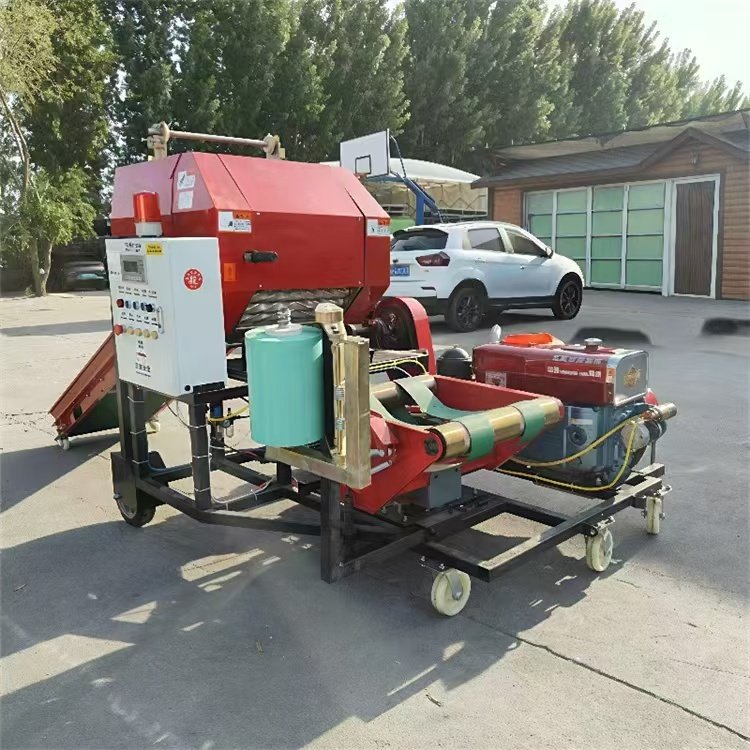
A round silage baler turns corn stalks, wheat and rice straw, hay and green forage into sealed, fermentable round bales you can store and feed for months. The first question most buyers ask is electric or diesel? — but that is only part of the picture. Here is how to choose a round baler that actually fits your operation.
1. What a Round Silage Baler Actually Does
A round baler collects loose forage, rolls it into a dense cylindrical bale, then wraps it in plastic film. The wrap keeps oxygen out, so the crop ferments anaerobically into silage instead of rotting. The Sunto YK-5552A goes one step further: it bales, wraps and ejects in a single pass, so one operator handles the whole job.
2. Electric vs Diesel vs Tractor PTO — The Real Decision
This is the choice that shapes everything else. Round balers come in three power configurations, and the right one depends on whether you already own a tractor and whether you have power in the field.
| Power type | How it works | Best when | Watch out for |
|---|---|---|---|
| Diesel engine (self-propelled) | Runs on its own engine — e.g. the YK-5552A uses a 17 HP diesel. No tractor required. | You have no spare tractor, limited tractor access, or small-to-medium plots that need a nimble machine. | Fuel and basic engine maintenance; more noise than electric. |
| Tractor PTO (3-point hitch) | Driven by the tractor's power take-off, typically needing a 30–50+ HP tractor. | You already run tractors daily and want lower machine cost by reusing them. | Ties up a tractor; field mobility follows the tractor, not the baler. |
| Electric motor | Plugged into grid power; common on small stationary or square balers. | You bale at a fixed yard with reliable electricity. | Rarely practical for field round baling — cables and no field power limit mobility. |
Our take for most small and medium farms
- Self-propelled diesel wins on independence. The YK-5552A starts baling even when every tractor on the farm is busy elsewhere.
- Electric only makes sense in a powered yard. For true field work, you will fight cable length and weather.
- PTO is cheapest per unit if you already have the horsepower sitting idle — but it is not a standalone solution.
3. The Specs That Decide the Fit
Once the power question is settled, these numbers tell you whether a machine can handle your volume:
| Spec | YK-5552A | What it means for you |
|---|---|---|
| Bale size (Ø × width) | 550 × 520 mm | Compact, hand-movable bales — manageable without machinery to shift them. |
| Capacity | 45–60 bales / hour | Steady daily output for small-to-medium livestock operations. |
| Engine | 17 HP diesel | Enough to drive baling and wrapping without a tractor. |
| Machine weight | 750 kg | Light enough to tow between fields, stable in work. |
| Control | Belt conveyor + PLC | Automates formation, wrapping and ejection — less manual fiddling. |
4. One-Pass Wrapping Beats Separate Steps
Sealing the bale quickly after forming is what protects silage quality. The YK-5552A's integrated wrapper films each bale before ejection, so oxygen exposure stays minimal. Agronomy references such as FAO's ensilage guidance and University of Minnesota Extension stress that excluding air within hours of baling is what prevents spoilage and preserves feed value.
5. Match the Baler to Your Farm Size
Think about daily volume and who operates the machine:
- Dairy, sheep and smallholders: a self-propelled diesel mini baler like the YK-5552A is the natural fit — one person, no tractor, compact bales.
- Larger cropping farms with tractors: a PTO baler may be more economical if your tractor would otherwise sit idle.
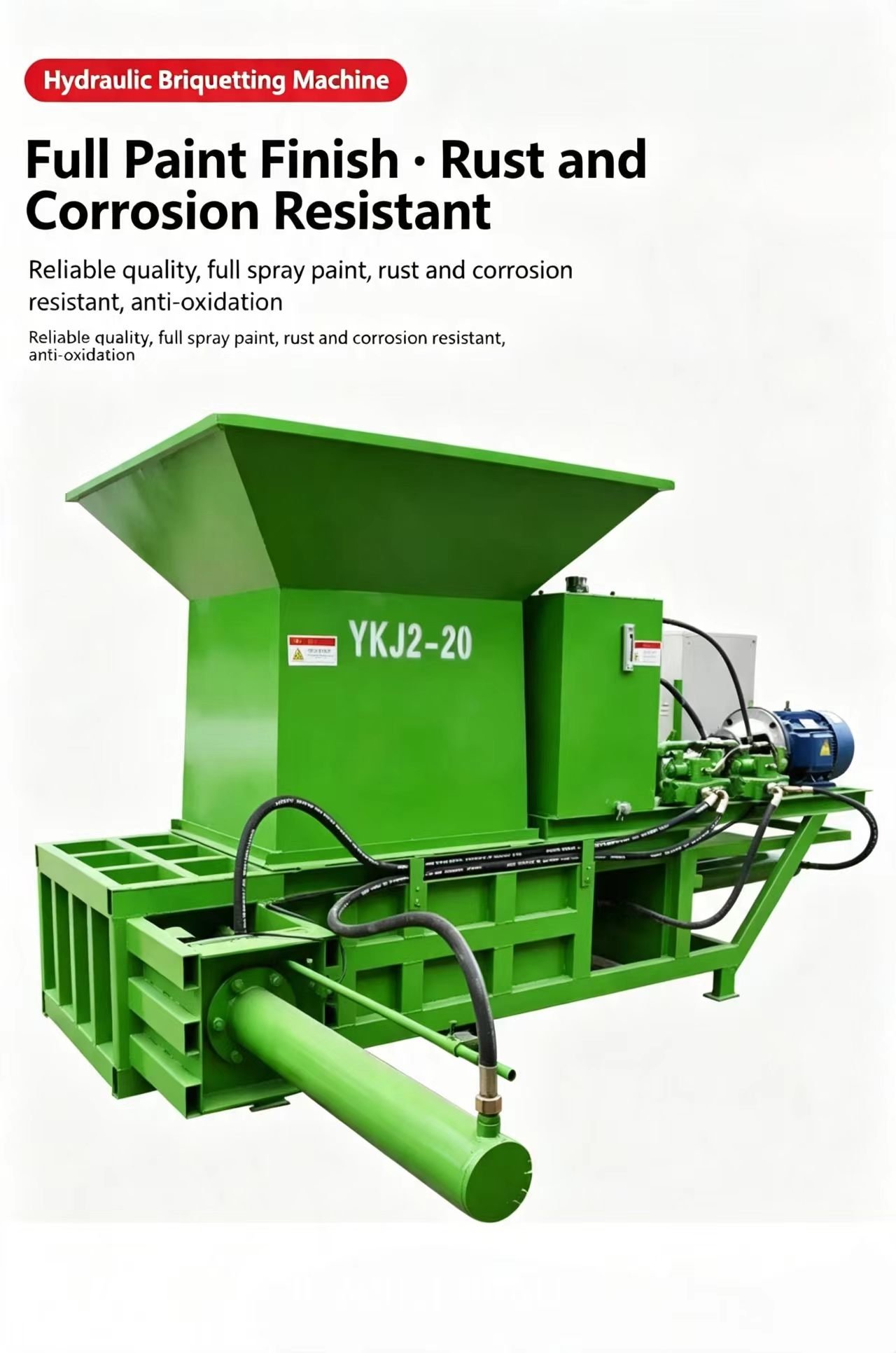
- Need denser, stackable storage? Compare a square silage baler for high-density bales that stack and transport more efficiently.
6. Crops It Handles
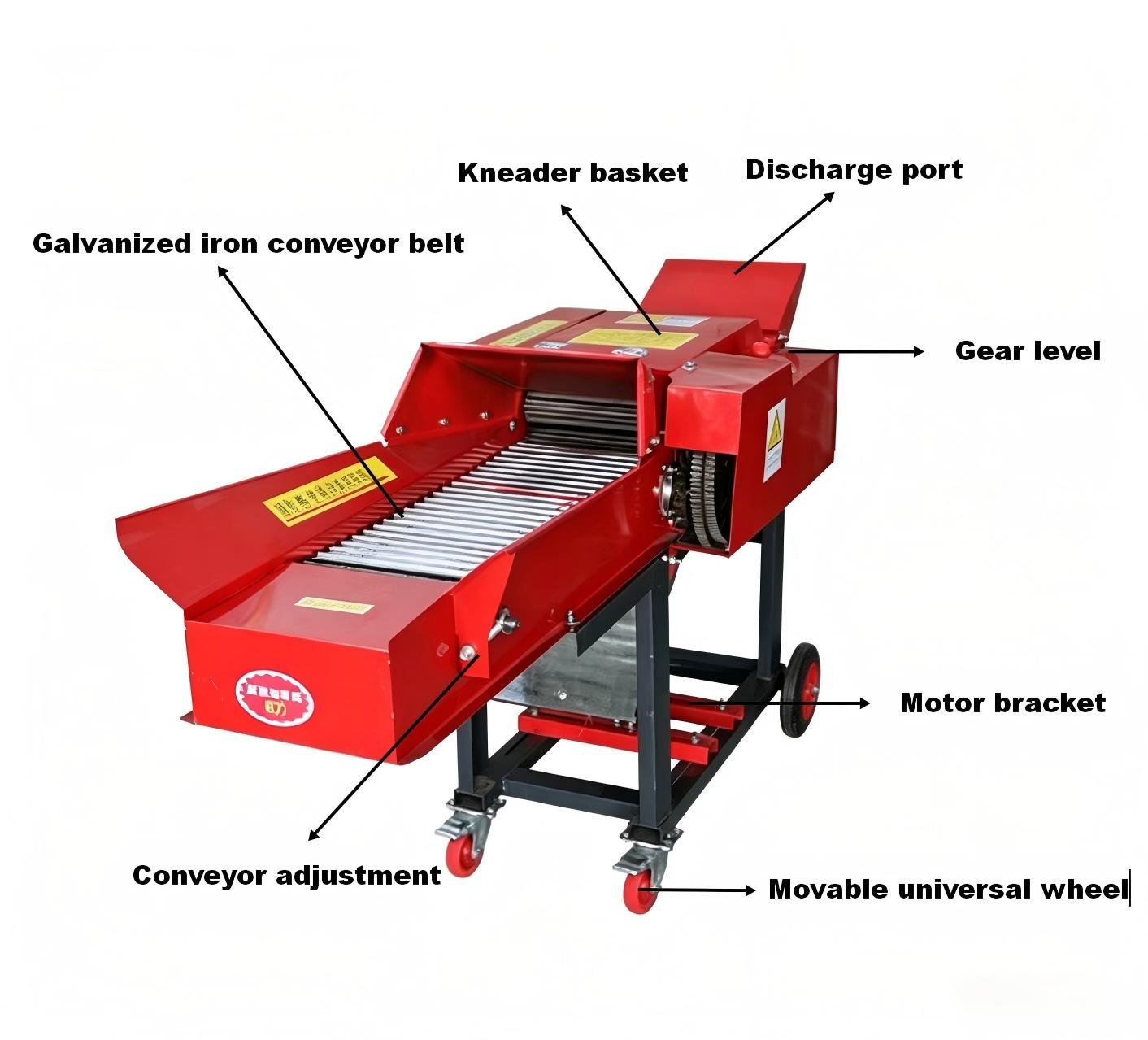
The YK-5552A processes corn stalks, wheat and rice straw, hay and green forage — the typical residues and forages on mixed livestock farms. If you first chop coarse material, pairing it with a chaff cutter improves bale uniformity.
7. Safety and Maintenance
For a diesel baler, keep it running by checking fuel, engine oil and the air filter before each season, watching belt tension on the conveyor, and keeping the PLC sensors and wrapper clean. Store the machine under cover and run a full lubrication pass every 40–50 working hours. Our Sunto Service team supplies the maintenance checklist and spare parts.
Not Sure Which Baler Fits Your Farm?
Tell us your crops, tractor situation and daily volume — our team replies within 24 hours with specs and a factory-direct quote.
Contact Us