


Round Silage Baler in South Africa: Why Demand Is Rising and How to Choose the Right Machine
Both methods preserve forage — but the demand for round silage balers in South Africa is rising for practical reasons. Here is what is driving it and how to choose the right machine for your farm.
A round silage baler has become the default choice for South African cattle and dairy farms that need to store forage through the dry season. The country's baler market was valued at roughly USD 85 million in 2024 and is forecast to grow about 5% a year through 2030 — with round balers the fastest-growing segment. This guide explains why demand is climbing and what to compare before you buy.
1. Why Demand for a Silage Baler Machine in South Africa Is Rising
A silage baler machine South Africa farmers can rely on solves three problems at once: seasonal feed shortages, high labour costs and the limits of manual feed preservation. South Africa's dry seasons leave grazing scarce, so sealing surplus forage at harvest means feed can be stored for over a year. Traditional pit silage — digging, filling, compacting and covering — is labour-intensive. A baler-wrapper turns those steps into one automated pass, often run by a single operator.
2. How a Round Silage Baler Works
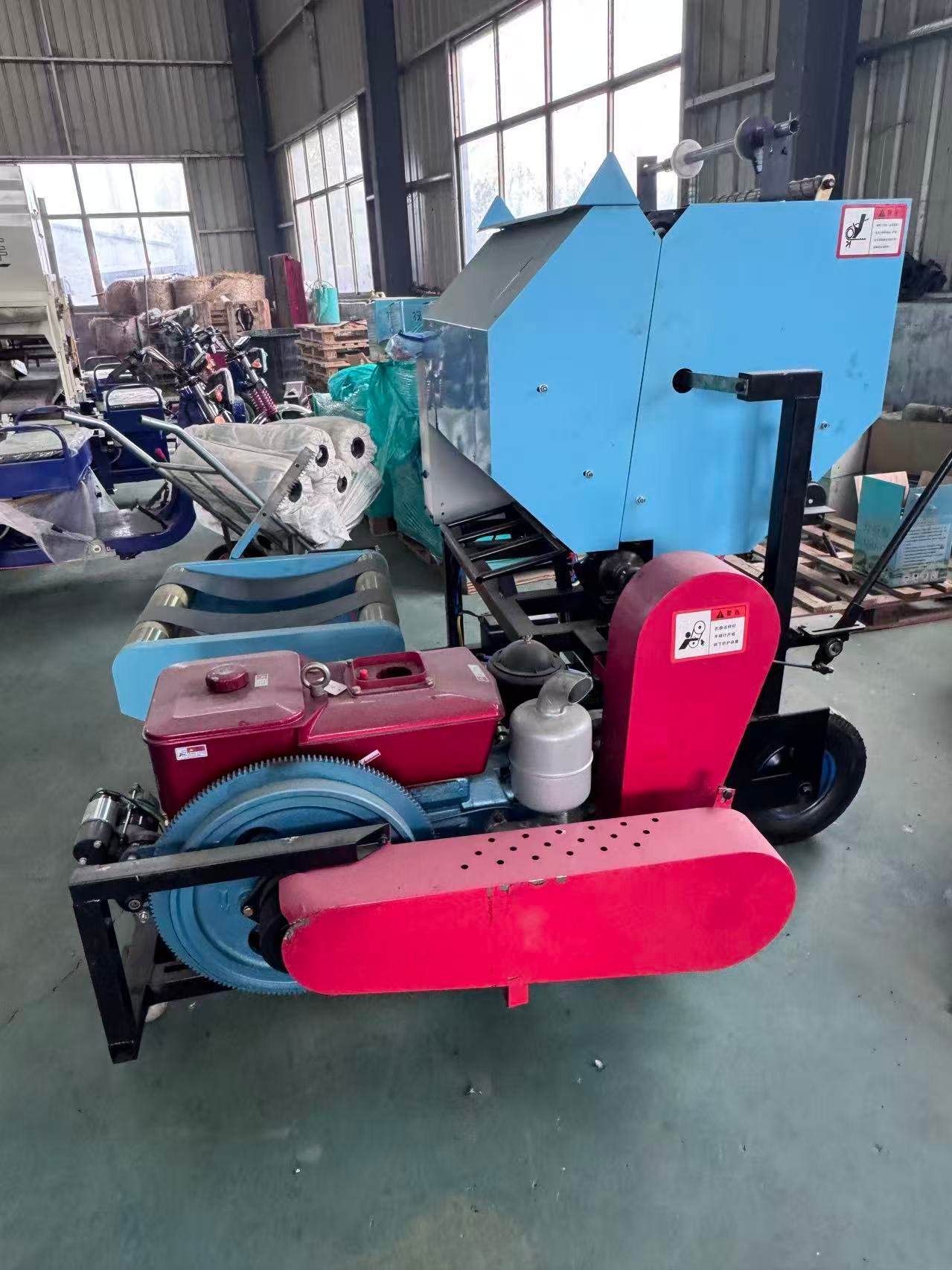
A self-powered round baler such as the Sunto YK-5552A uses its own diesel engine rather than a tractor PTO. The cycle is short and repeatable:
Feed
Load cut forage onto the belt conveyor.
Bale
PLC chamber rolls and compresses a 550 mm round bale.
Wrap
Stretch film seals the bale for airtight fermentation.
Discharge
Finished bale is ejected, ready to store or transport.
3. Round Baler vs Square Baler — The Real Differences
The mechanics translate directly into day-to-day differences. Here is the side-by-side:
| Factor | Round silage baler | Square baler |
|---|---|---|
| Bale shape | Cylindrical; sheds rain naturally | Rectangular; stacks tightly |
| Best feed type | Silage, wet forage, long fibre | Dry hay, straw, transport |
| Wrapping | Easy to wrap for outdoor storage | Usually needs indoor storage |
| Fermentation | Even, airtight fermentation | Less suited to wet silage |
| Labour | One operator, bale and wrap in one pass | More handling steps |
| Typical use | Cattle, sheep, dairy farms | Hay producers, large transport |
4. Effect Differences That Hit Your Bottom Line
The table covers the theory — here is what it means on the farm.
Feed security through the dry season
A sealed round bale creates an airtight "mini silo". Lactic acid bacteria ferment the forage quickly, suppressing mould and preserving protein, moisture and digestible fibre — feed that lasts well over a year.
Labour and time
With a self-powered baler there is no tractor to schedule and no pit to dig. One person can bale and wrap 45–60 bales an hour, which directly cuts labour cost — a decisive factor in South Africa.
Cost over the life of the machine
A compact, self-powered unit has fewer moving parts than a tractor-dependent system, and it removes the need for a separate wrapper. That lowers both purchase cost and maintenance.
5. Which Baler Fits Your Farm?
Match the machine to what you actually feed:
Dairy & beef cattle
Round — silage & long fibre
Sheep & goats
Round — roughage + concentrate
Small farms
Mini round baler, low investment
Contractors
High output, fast wrapping
Our take for most South African livestock farms
- Choose a self-powered round baler if you feed cattle, sheep or goats on silage, hay and straw and want one machine one person can run.
- Choose a square baler if your main crop is dry hay for transport and indoor storage.
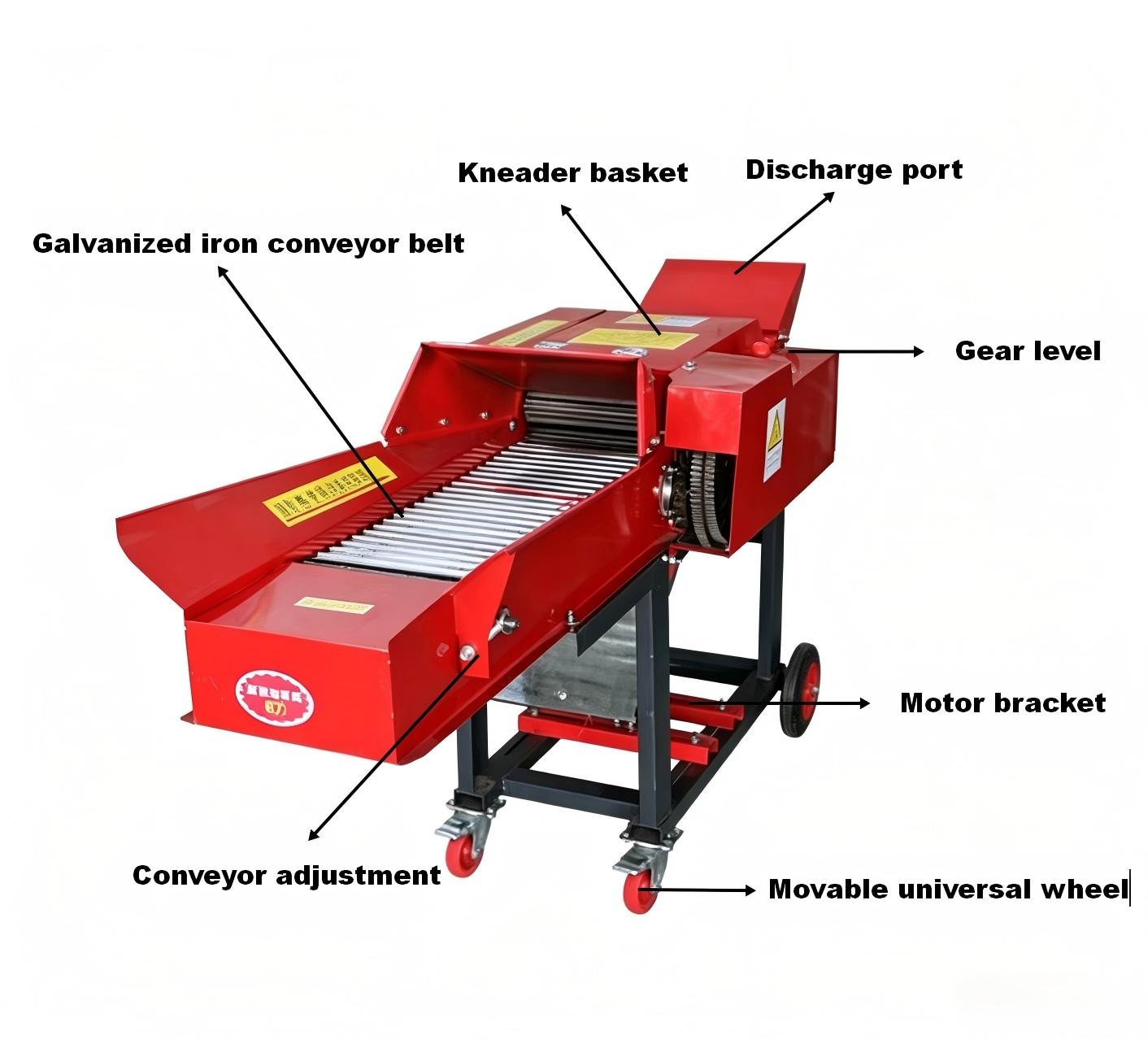
- Pair the baler with a chaff cutter to create a complete feed line from chopping to wrapping.
6. Why Sunto Round Silage Balers
The YK-5552A is built for exactly the strengths this guide describes: a 17HP diesel engine with no tractor PTO, PLC automatic control with bale counting and wrap timing, 550×520 mm bales at 500–750 kg/m³ density, and an all-in-one package with belt conveyor and air compressor. It handles corn stalks, elephant grass, alfalfa, hay and straw — and every unit is factory-tested before it leaves Zhengzhou.
Explore Related Machines
More Buying Guides
Not Sure Which Silage Baler Fits Your Farm?
Tell us your herd size, forage type and budget — our team will recommend the right machine and send a factory quote.
Get a Factory Quote