


Homemade Feed vs Commercial Feed: Which Saves More for Your Farm?
Cost, nutrition control, animal performance and the right scenarios for an on-farm feed pellet mill.
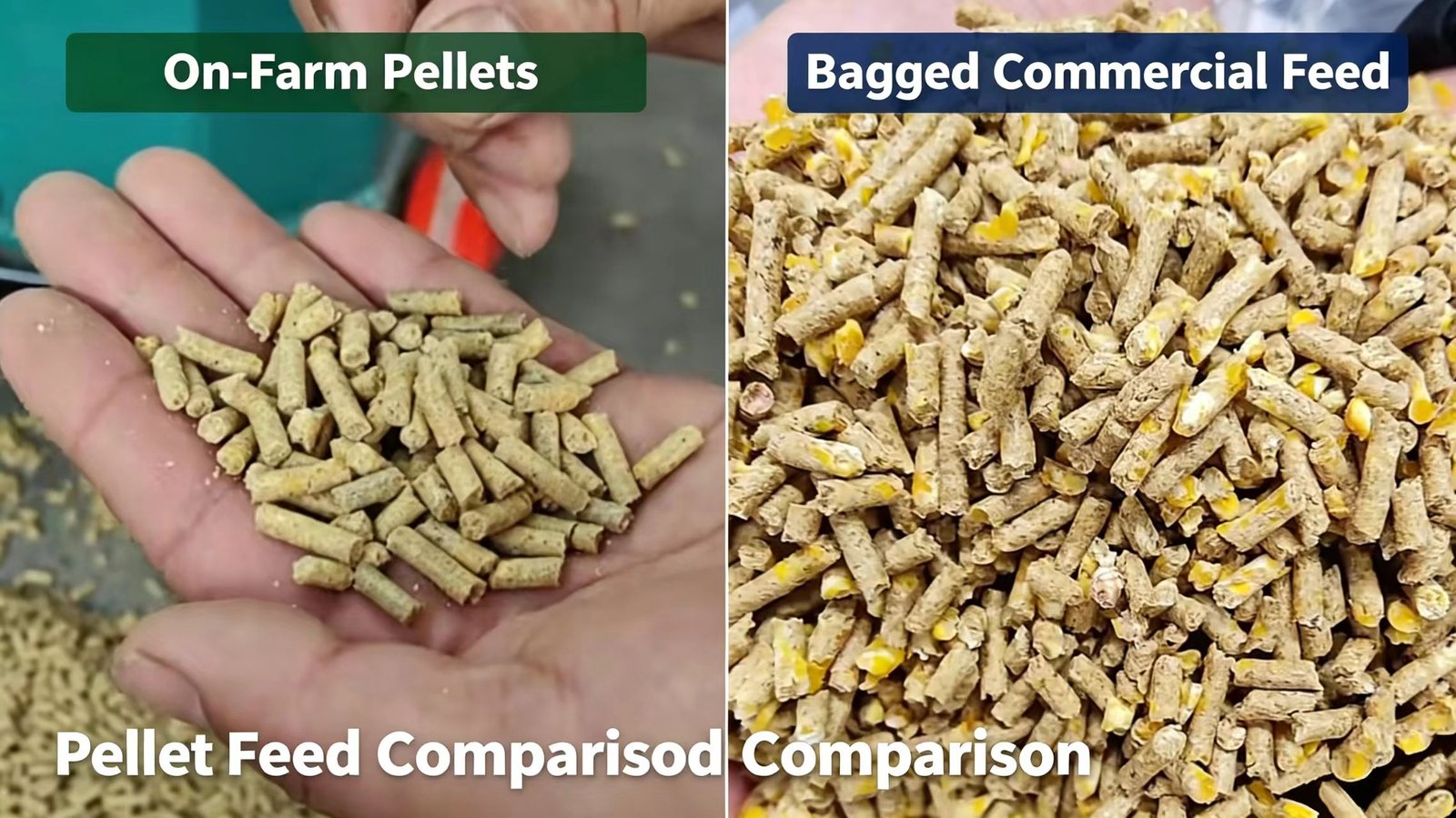
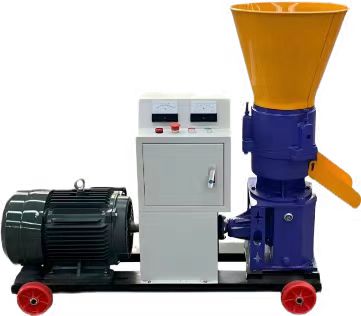
Every livestock farmer faces the same question: buy ready-made feed or make it on the farm? With a Alimenta molino de pelotita, grain, bran, hay meal and mineral premix can be pressed into uniform pellets in one pass. The result is a direct comparison between homemade feed y commercial feed across four practical dimensions: cost, nutrition control, animal results and use cases.
A balanced animal feed supplies energy, protein, fiber, vitamins and minerals matched to the species and production stage. For a broad technical overview of feed types and formulation principles, see Wikipedia — Animal feed.
1. Cost Comparison: Why Homemade Feed Wins Over Time
Commercial feed prices include raw materials, transport, bagging, distributor margin and storage. When you pelletize on the farm, you remove most of those middle steps.
Typical cost structure per ton
- Commercial feed: raw material + milling + pelleting + bagging + transport + retail margin.
- Homemade feed: local grain/bran + hay meal + mineral premix + electricity/diesel + operator labor.
- Break-even: most small-to-medium farms recover the machine cost within 12–24 months at 2–5 tons per month.
Even if local grain is slightly more expensive than bulk commodity contracts, the savings on bagging, freight and markup usually make on-farm pellets cheaper per kilogram. The real saving grows when you have your own grain, hay or crop by-products to recycle.
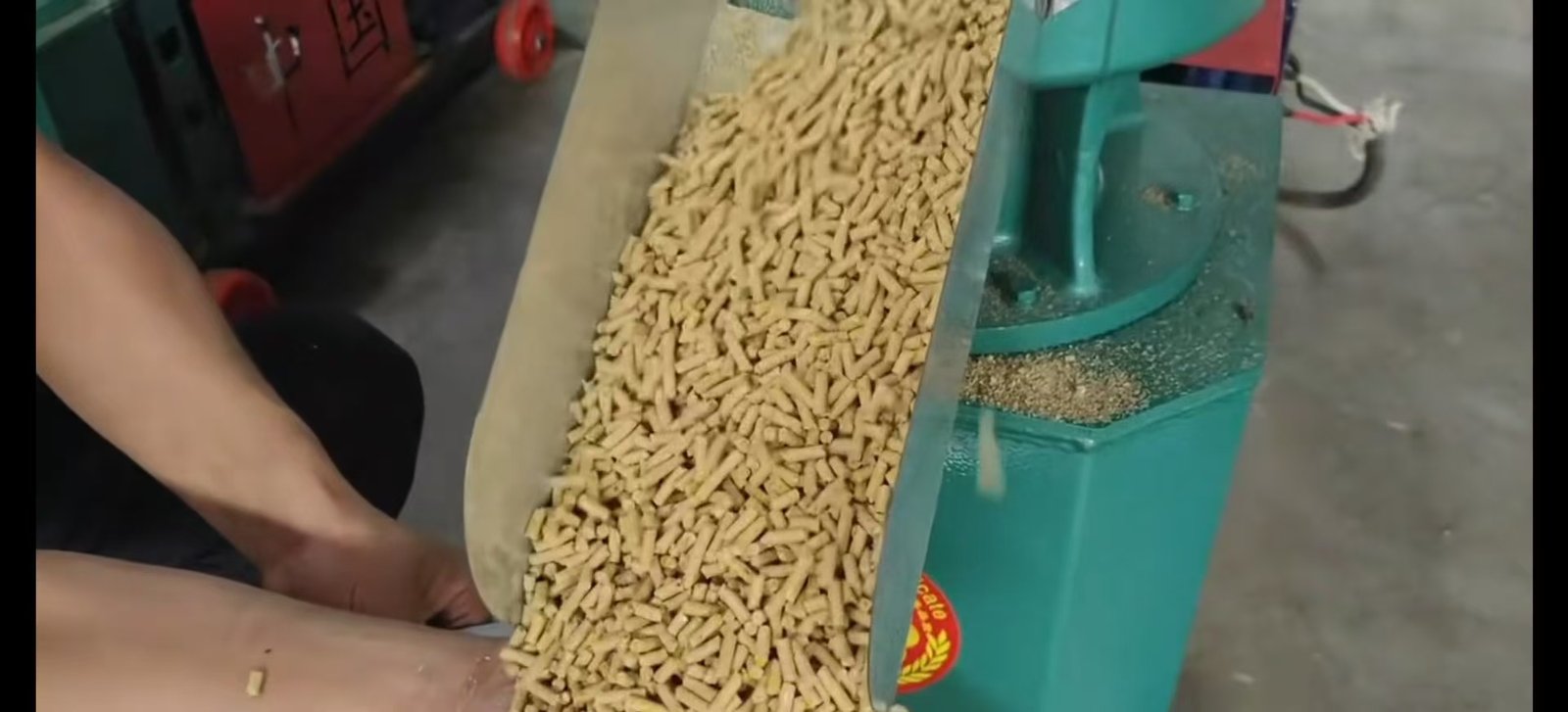
2. Nutrition Controllability: Your Recipe, Your Animals
This is where a molino de pellets de alimentación de matriz plana separates itself from bought feed. You decide the exact formula for each group of animals.
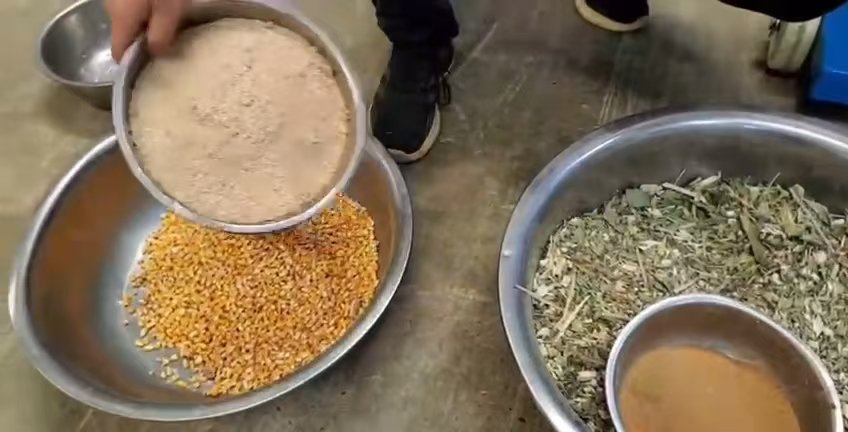
With commercial feed you choose from fixed formulations. With homemade pellets you can:
- Raise protein for lactating cows or growing lambs by adding soybean meal or oil cake.
- Increase fiber for dry-period ruminants by raising hay or straw content.
- Add vitamins, minerals or probiotics without paying a premium for a branded premix.
- Switch die sizes (3 mm, 4 mm, 6 mm or 8 mm) so the same machine serves chickens, pigs, sheep and cattle.
3. Farming Results: Less Waste, Better Conversion
Pellets reduce feed waste in two ways. First, the heat and pressure during pelleting gelatinizes starch, making the feed more palatable. Second, animals cannot pick out favorite grains and leave the rest — every bite is the same balanced mix.
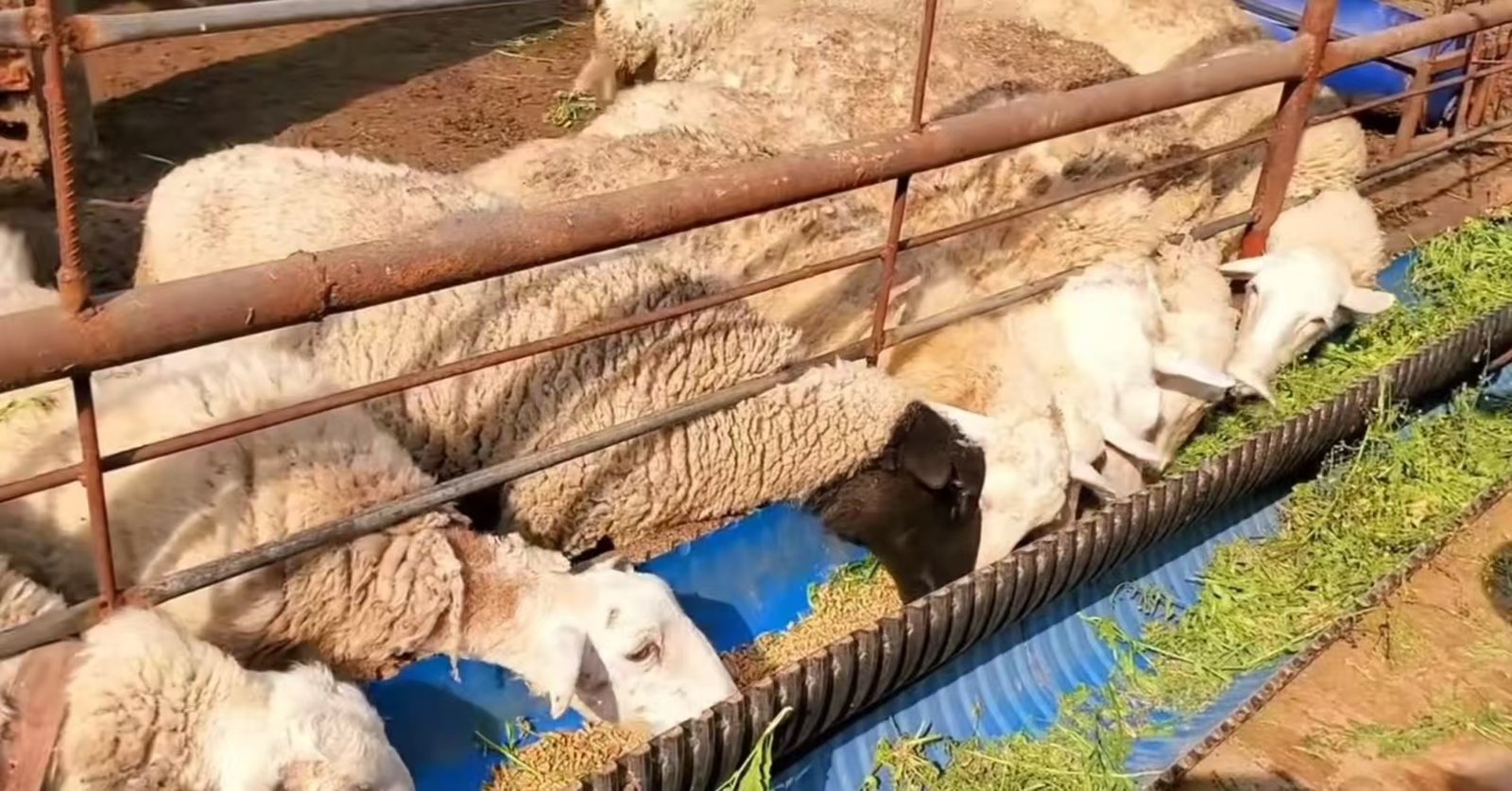
Farmers commonly report:
- Lower feed waste: less powder and separation compared to mash or whole-grain rations.
- Steadier growth: uniform nutrient intake supports consistent daily weight gain.
- Better digestion: heat-treated starch and compacted fiber are easier for ruminants and monogastrics to handle.
- Less labor: one batch can be mixed, pelleted and stored for several days.
4. Applicable Scenarios: Who Should Choose What?
Commercial feed still has a place. If you only keep a few animals, live far from grain sources, or need a specialized medicated ration, buying bags can be simpler. But on-farm pelleting becomes the better choice as scale and control matter more.
| Scenario | Best choice | Reason |
|---|---|---|
| Small farm / backyard flock | Commercial feed | Low volume; machine payback period is longer. |
| Medium farm with own grain/hay | Homemade pellets | Raw materials on hand; big savings on bagging and freight. |
| Dairy or sheep/goat operation | Homemade pellets | Recipe control by lactation stage or growth phase. |
| Poultry or pig grow-out | Homemade pellets | Fast feed conversion; die size can match bird/pig age. |
| Remote area with expensive freight | Homemade pellets | Avoids recurring transport cost and bag waste. |
Final Verdict
Commercial feed wins on convenience and low-volume use. Homemade pellets win on cost at scale, nutrition flexibility and reduced waste. For most farms moving past a few head of stock, a Alimenta molino de pelotita pays for itself by putting feed quality and cost back under the farmer's control.
Preguntas Frecuentes
Is homemade feed cheaper than commercial feed?
Usually yes, once volume passes 2–5 tons per month. You save on bagging, transport and retail margin, and you can use your own grain or forage.
What ingredients can I put in a feed pellet mill?
Common inputs are corn, wheat bran, soybean meal, oil cake, dried hay or straw meal, and mineral/vitamin premix. Moisture should be 12–18% for best pellet quality.
Can one machine make feed for chickens, pigs and sheep?
Yes. Sunto KLJ flat die pellet mills accept interchangeable dies (3 mm, 4 mm, 6 mm, 8 mm), so the same body covers poultry, pigs, rabbits, sheep, goats and cattle.
How long does it take to recover the machine cost?
Most farmers recover the investment in 12–24 months, depending on local commercial feed prices and how many tons they produce each month.
Not Sure Which Feed Pellet Mill Fits Your Farm?
Tell us your animals, daily volume and power supply. Our team replies within 24 hours with specs, die recommendations and a factory-direct quote.
Contáctenos